


Denis Smith: Light Painting Master | Get The Shot Ep. 8
Join host Joe Orchard as he chats with Denis Smith, the acclaimed light painting artist and Tamron Australia user. In this episode, Denis demystifies his incredible in-camera light sculptures, including his signature “ball of light” work, all captured in a single, unedited exposure. Discover how this unique blend of art and technical skill became a powerful catalyst for his journey towards mental health and healing.
Watch the full episode here:
Episode Overview: The Healing Power of Authentic Light Art
Denis Smith, the Master of Light Painting, shares his profound journey from a stressful corporate role to a passionate artist. He emphasises the skill of capturing his images in one exposure to ensure authenticity and mastery in the digital age. The episode delves into the origins of his ethereal “ball of light” series and his commitment to sharing his techniques, a pursuit that personally helped him heal from a nervous breakdown and is now integrated into his forthcoming career as an art therapy counsellor.
Light Painting Techniques and The One-Exposure Philosophy
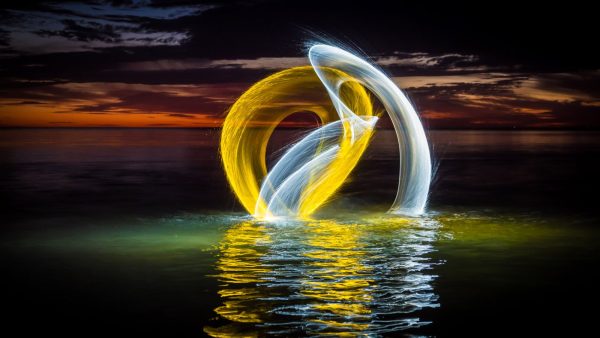
Light painting is a unique photography genre built on the concept of long exposure where the artist uses light sources as a tool within the scene itself. Denis discusses the fundamental ways he uses light to create his art.
- Light as a Brush: The best way to understand the technique is to think of the dark as the canvas and the light source as a brush; the artist moves the light through the scene to capture a light trail [02:01].
- Moving Light Trail: The first fundamental involves moving light through a scene during a long exposure to create work by capturing the trail of that light [02:06].
- Scene Illumination: The other way is using a light source to actively illuminate a dark subject, such as a landscape, bringing it into the image during the exposure [02:21].
- Long Exposure Timelines: Denis’s average exposure is lengthy, often ranging from three to five minutes, with the light spinning element lasting about 60 seconds [15:27].
The one-exposure rule is a core philosophy for Denis, serving as a powerful counterpoint to modern digital art and guaranteeing the authenticity of his light painting mastery.
- The Real Skill: Denis insists that the real skill is capturing the entire image in a single, continuous one exposure—looking at the finished light painting immediately on the back of the camera [03:29].
- Authenticity vs. Photoshop: The one-exposure rule is paramount; capturing in one exposure assures the art is real and not a blend of multiple images in Photoshop [04:12].
- Bulb Mode Access: Anyone with a camera that can do bulb mode can immediately go out and be a light painter, highlighting the accessibility of the skill [04:19].
- Patience and Experience: True patience comes from accepting that some nights you will make 30-40 images and come back with nothing, emphasising the importance of the experience over the final result [16:48].
The Iconic Light Orb and Performance Art
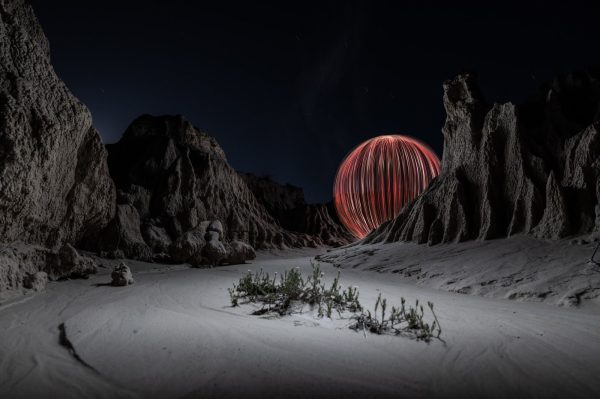
The iconic “ball of light” or orb is Denis’s most globally recognised work, an idea that was born out of collective experimentation in online photography communities.
- Flickr Discovery: Denis discovered the orb while browsing the light painting groups on Flickr, which he describes as the “wild west of photography” at the time [05:24].
- Landscape Innovation: His unique twist was taking the orb out into the landscape under a full moon for a long exposure, which was the key to making the work stand out [06:23].
- Full Moon Illusion: Shooting under a full moon creates images that look like daylight, confusing the mind because the presence of the ethereal light orb suggests it must be a trick [06:36].
- Performance Element: Creating his liquid light work in a freezing cold ice melt river at the BFOP festival was an instance of performance art, with the audience fascinated by the process itself [17:47].
For Denis, the most important work he creates is rooted not in its technical perfection, but in the story and personal experience tied to the moment of capture.
- The Story Matters: His most precious images are special because of the story behind them: the journey, who he was with, or the ridiculous journey to get there [10:09].
- Meditative Focus: The rhythmic act of spinning the light during the exposure, which he sometimes sees as wrapping himself in a protective shield, is a deeply focused, meditative process [11:12].
- Emotive Goal: The ultimate goal for his art is to make work that is emotive and tries to make someone feel something, whether it’s the viewer or himself [18:55].
- Process Over Product: He notes that people are often more fascinated by the process of the light painter moving around in the scene than the final image itself [18:24].
Accessibility, Gear, and the Joy of Sharing
Denis is a passionate advocate for sharing his knowledge, believing that the joy of light painting should be accessible to everyone, regardless of their budget for equipment.
- Teaching the Secret: He created a very popular YouTube tutorial on how to make the ball of light, despite it being his “secret” and trademark technique [07:25].
- Spreading the Joy: Denis’s teaching is motivated by the “complete and utter joy” he experiences when light painting, a feeling he wants every person to have [08:00].
- Workshops: He has taught workshops for thousands of people, witnessing the immense energy and fulfilment they get from making their own light painting images [08:16].
- No Fancy Gear: He stresses that you don’t need a fancy camera or fancy gear to get started; the most important thing is the willingness to have a go [08:49].
Denis’s practical advice proves that resourceful creativity trumps expensive equipment, demonstrating that world-class art can be created with common, household items.
- DIY Light Tools: He shows how to make a complete light painting image with just a glass bottle, a $3 torch from Bunnings, and some duct tape [09:02].
- Budget Orb: He details how to make a ball of light tool using approximately $5 worth of basic Christmas lights [09:10].
- Skills Transfer: His ability to teach stems from years in sales and running businesses, which gave him the communication skills and confidence necessary to address large groups [21:02].
- Sharing Techniques: The primary purpose of sharing is to instil confidence and give out information about all his techniques [09:28].
Mental Health, Business, and The Future of Art
Denis’s discovery of photography was a life-altering event, serving as a direct pathway to healing following a crisis, solidifying his belief in the therapeutic power of the creative process.
- Healing Pathway: Following a serious nervous breakdown in 2008, picking up his first Canon 450D camera and discovering the rhythmic process of art became his pathway to healing [12:37].
- Stopping Alcohol: The discipline required for night shoots was the direct catalyst for him to stop drinking alcohol overnight, 15 years ago [13:15].
- Art Therapy Future: He is currently studying to become a qualified counsellor and is launching an art therapy practise using photography to achieve positive mental health outcomes [31:05].
- Flow State: He genuinely believes all creative pursuits are positive for mental health when you get into a state of flow and make a consistent practise of it [13:44].
Denis is brutally honest about the business side of the creative industry and the need for creatives to evolve beyond technical skill to survive the challenges of Artificial Intelligence (AI).
- Creative Business Nightmare: He describes running a business around anything creative as a “nightmare” because the artist and the entrepreneur mindsets are not automatically cohesive [22:50].
- Survival Against AI: He believes the key to surviving the onset of AI is for creatives to ramp up skills that have nothing to do with making an image [26:03].
- The Human Solution: What will save professionals is being an incredible human who is good at communication and delivers solutions to clients [26:09].
- Unreplaceable Connection: AI will never replace the profound connection, energy, and power that can exist between two humans [29:36].
I believe that AI will never replace the connection, the energy, the power that can exist between two humans.
– Denis Smith

Denis Smith
Denis Smith is a world-renowned Australian artist celebrated for his dramatic and authentic light painting photography. His commitment to capturing complex light trails in a single exposure has made him a respected figure, particularly for his iconic “ball of light” series. After discovering the art form as a pathway to recovering from a severe nervous breakdown, Denis has dedicated his career to sharing the therapeutic power of photography and is currently developing an art therapy practise to help others.
Q&A
Q: Why is it important to capture light paintings in one exposure?
Denis believes capturing the entire image in a single exposure is the “real skill” and is critical for authenticity [03:29]. In the modern digital age, it proves to the viewer that the work is real and not a composite of multiple images blended in Photoshop [04:07].
Q: How did you get the idea for your signature “ball of light” work?
The concept for the orb was discovered in the light painting groups on Flickr, but Denis made it his own by taking it out into the landscape under a full moon [05:43]. This technique creates a sci-fi aesthetic, making a real landscape look otherworldly [04:46].
Q: What kind of gear do you need to start light painting, and why do you share your methods?
You do not need fancy gear. Denis teaches that you can create effective tools with simple items like a $3 torch from Bunnings or Christmas lights [09:02]. He shares his methods to instil confidence and spread the immense joy he feels to as many people as possible [08:49].
Q: How did photography help you personally with your mental health journey?
After a serious nervous breakdown, discovering photography was his pathway to healing and helped him to “get out of myself” [12:37]. The focus required for night shoots also served as the direct catalyst for him to stop drinking alcohol 15 years ago [13:15].
Q: What is the most important element for a creative’s survival in the age of AI?
Denis believes the key to surviving the onset of AI is to prioritise being an incredible human who is good at communication and delivers complex solutions to clients [26:09]. He emphasises that this human connection and energy cannot be replaced by a machine [29:36].
Denis Smith’s story is a powerful testament to the creative and restorative potential of photography. Whether he is spinning light in a dark landscape or sharing his journey as a path to healing, his work is a profound reminder that art is a powerful force for personal and community well-being. We thank Denis Smith for sharing his passion on Get The Shot.
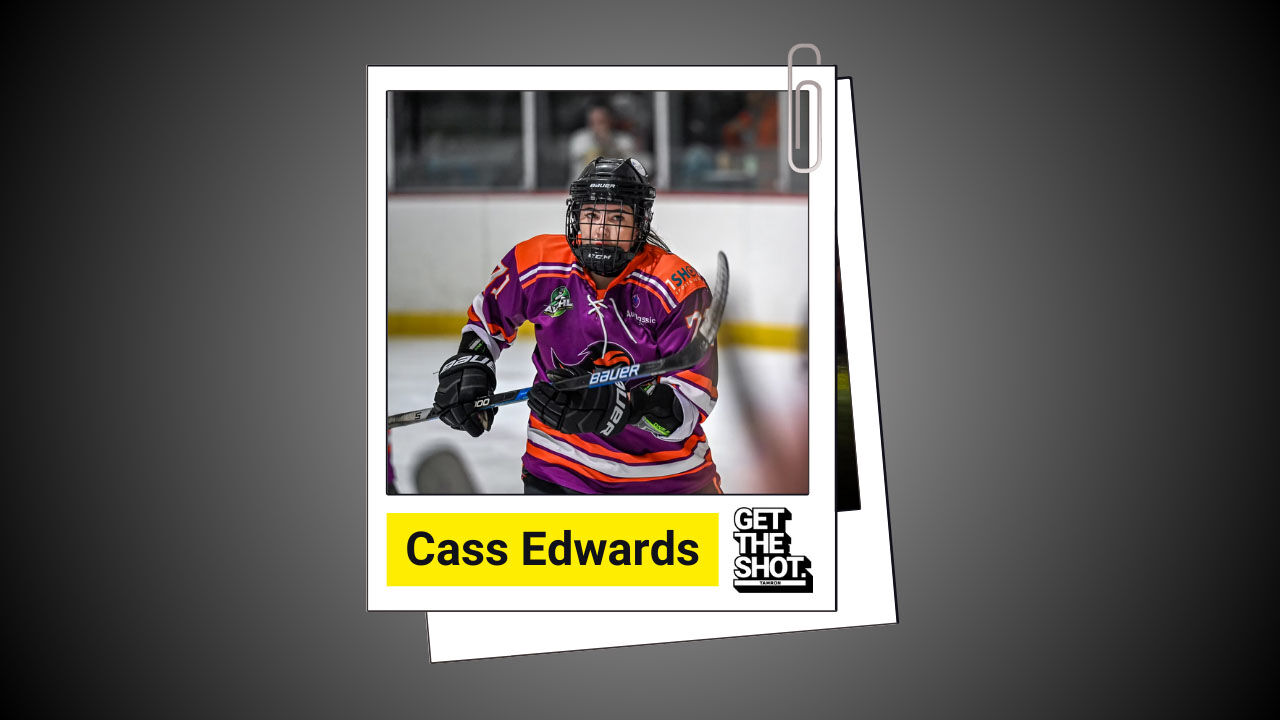
Cass Edwards: Sports & Music Photography Master | Get The Shot Ep. 2
Step into the fast-paced world of performance photography with Cass Edwards, a dynamic Perth-based shooter making waves in the AFL, NRL, and Ice Hockey scenes. In this[...]
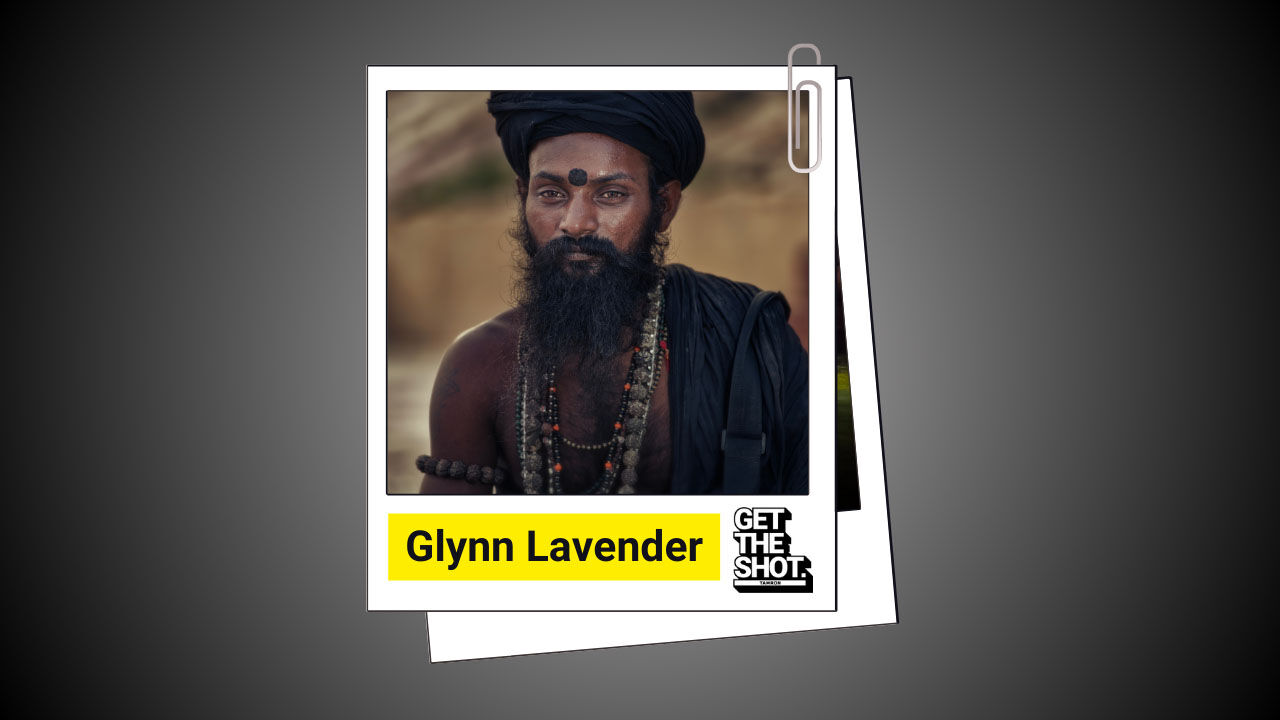
Glynn Lavender: Travel Photography Master | Get The Shot Ep. 1
Join us for an inspiring journey into the heart of travel photography with industry legend Glynn Lavender. In this debut episode, we explore why the best images[...]

Oil & Water Universe – Alex Meagher
Meet Alex Meagher, a photographic artist originally from Rotorua, New Zealand, now based in Melbourne, Australia. Alex's unique vision comes from a[...]
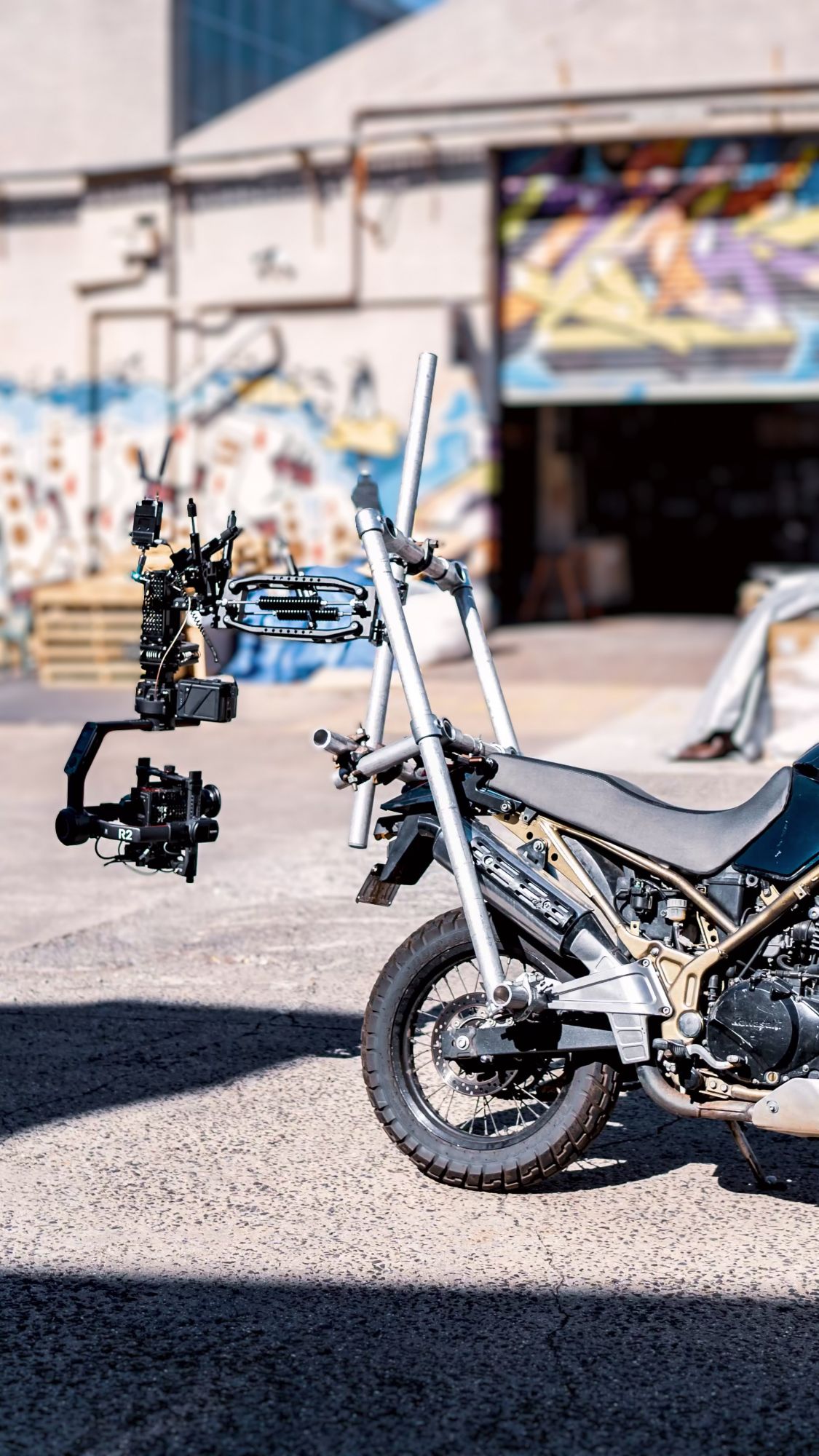
Motorig – Jake Simkin
What do you get when you mix a DIY spirit and a cinematographer with just enough sense not to say no?
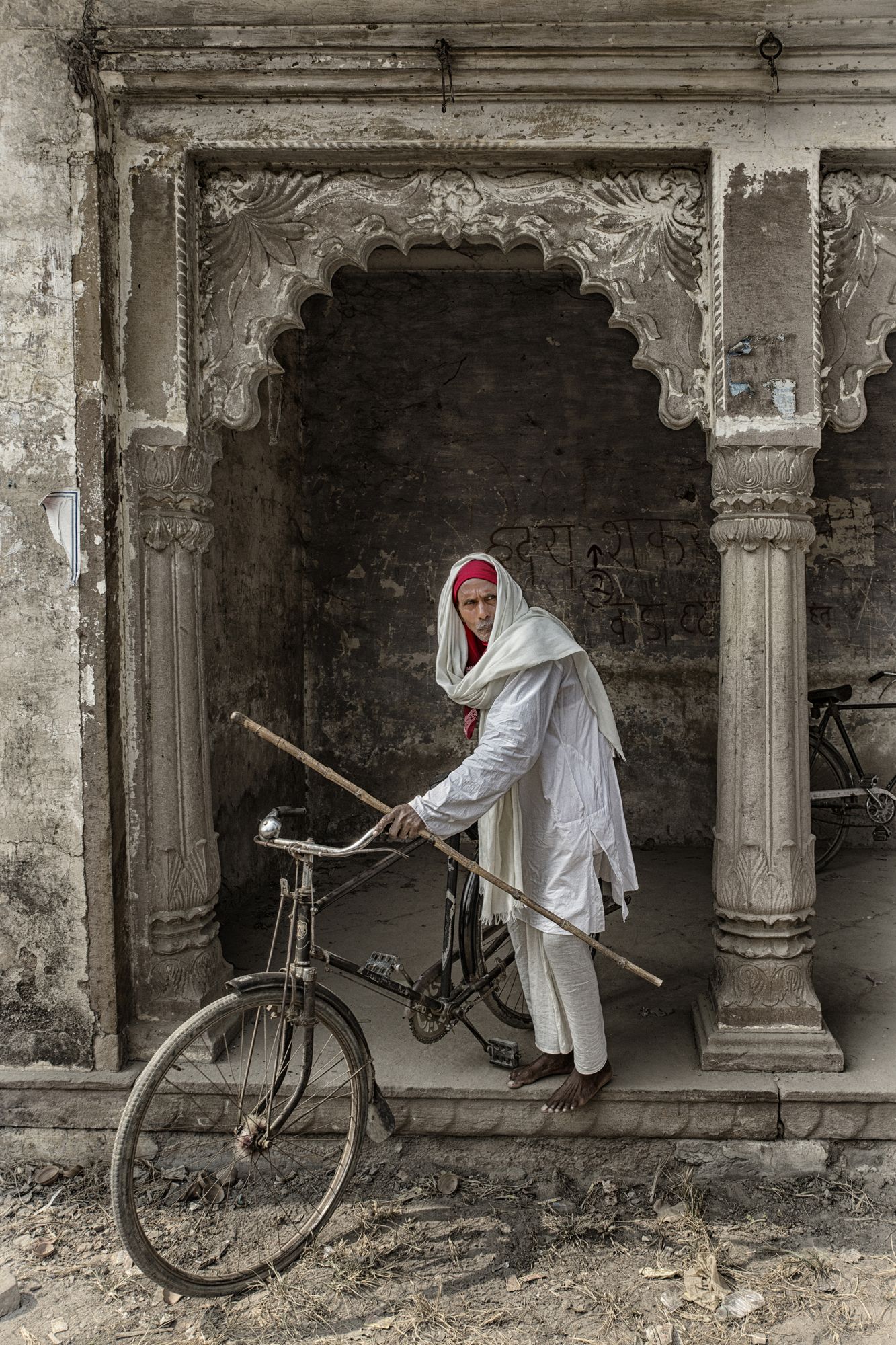
Bike Against A Wall – Glynn Lavender
"However, just as we lined up to frame our shots a man, who looked like he had just stepped off the set of an Indiana Jones movie jumped into the scene"
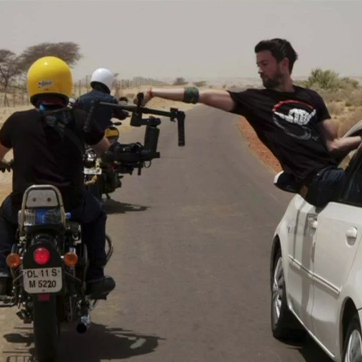
Bikes; No Budget – Ben McNamara
Okay, so I'm in Australia and I get a call. Do you want to fly to India to shoot motorcycles ripping through the desert? Yes. Yes, please...
Get The Shot STORIES read more
It’s not always about the gear.
Sometimes it’s the mud, the missed turns, the 4am call times or the conversations that happen in between. The moments behind the shot are often just as powerful as the image itself.
In this series, we speak with photographers from all walks of life about the stories behind their work; the behind-the-scenes chaos, the spontaneous camera rigs held together with tape, the interactions with strangers, and everything that got them there. Sometimes you gotta go out of your way to get the shot.
