



The Tamron Lens Trilogy
The lens trinity is a set of three professional-grade zoom lenses, all featuring a constant fast aperture, usually f/2.8, across their entire focal range. This combination allows photographers to capture high-quality images in a vast range of scenarios, offering excellent low-light performance, smooth background blur (bokeh), and consistent exposure settings when switching between lenses. Together, these lenses provide comprehensive, seamless coverage from ultra-wide to telephoto, making them an essential and versatile kit for both professional and advanced amateur photographers. This concept is sometimes also referred to as the “holy trinity of lenses.”
A traditional lens trinity typically consists of three lenses:
- Wide-angle zoom lens
- Standard zoom lens
- Telephoto zoom lens
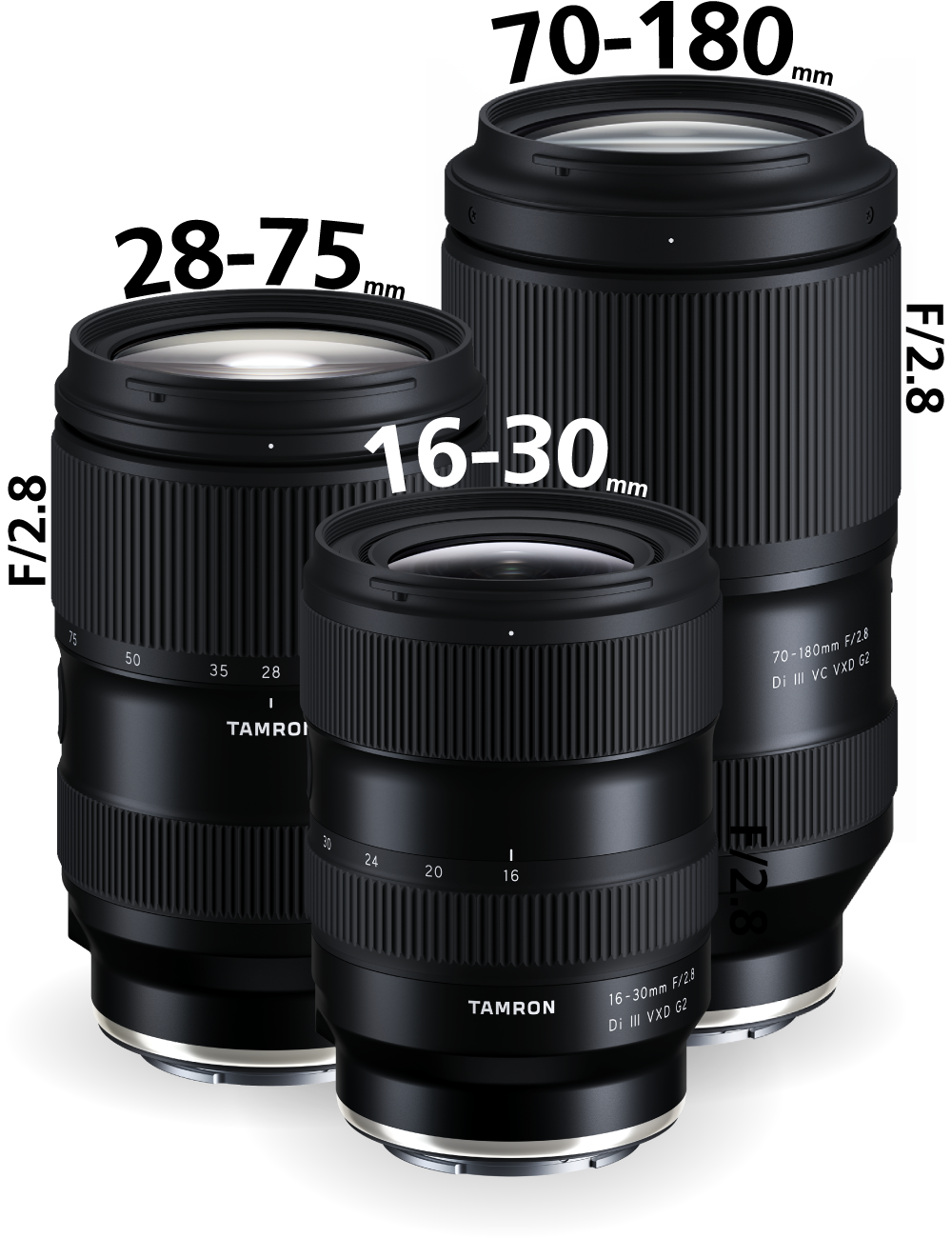
Three Key Features
The three biggest features of a lens trinity are:
- Constant fast aperture across all focal lengths, usually f/2.8, allowing consistent exposure and excellent low-light performance.
- Comprehensive focal length coverage; ultra-wide, standard, and telephoto, letting photographers handle virtually any shooting scenario without gaps.
- Superior image quality and bokeh, thanks to professional-grade optics and advanced coatings, which provide sharp images, vivid colours, and a signature creamy background blur.
In addition to these core features, the Tamron Lens Trinity stands out by offering a compact, lightweight design across all three lenses, outstanding affordability, impressive high quality optics, a shared 67mm filter size for convenience, moisture-resistant construction with protective fluorine coatings, and fast, quiet autofocus motors. These premium touches make Tamron’s trinity not only versatile in performance but also exceptionally portable and user-friendly for all photographers and videographers.

Compact and Lightweight
Trinity lens are usually high-performance, which often makes them large and heavy. However, TAMRON’s lenses are designed to be compact and lightweight, making them easier to carry and more comfortable to use, even during long shooting sessions. Another advantage is that they all share a 67mm filter size, so you can use the same accessories across different lenses.
TOTAL 1,835g (all 3 lenses)
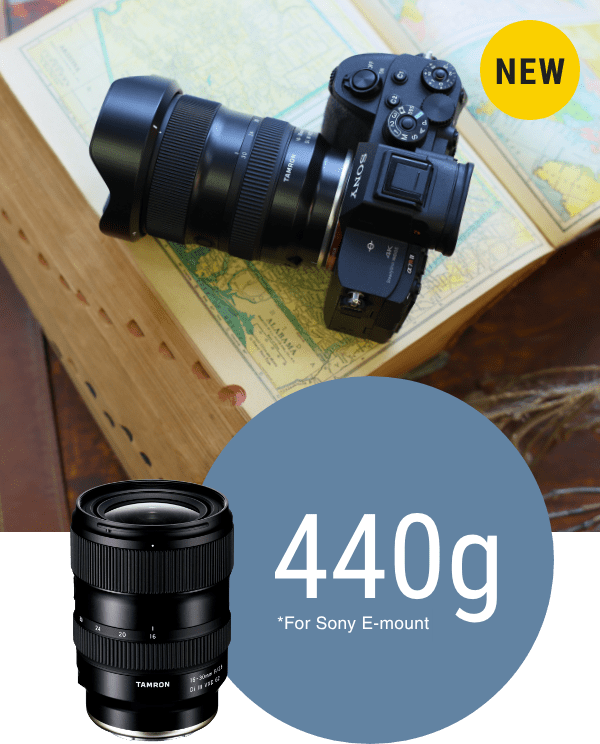
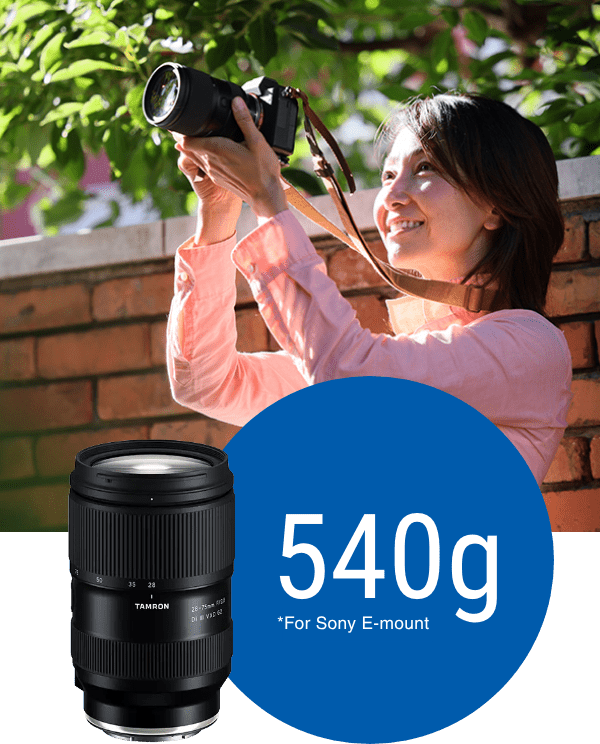
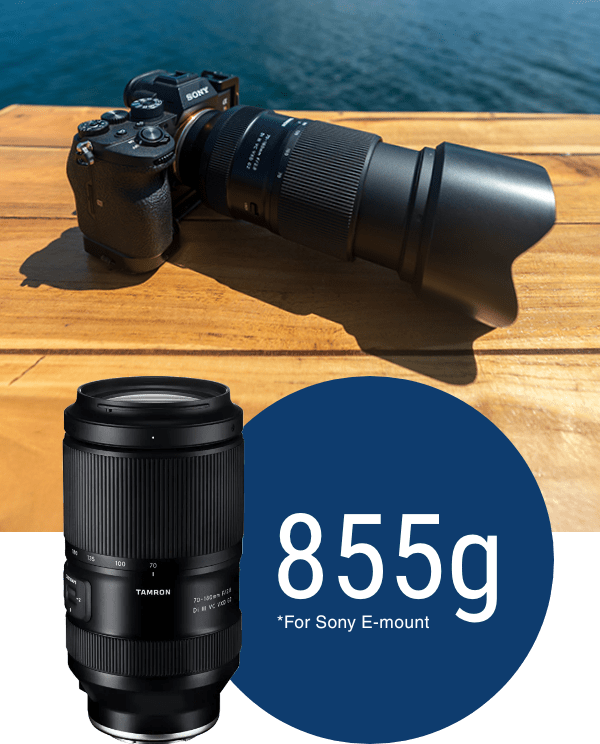
* Among full-frame compatible fast-aperture F2.8 telephoto zoom lenses equipped with Vibration Compensation (As of August, 2023: TAMRON)

Outstanding Affordability
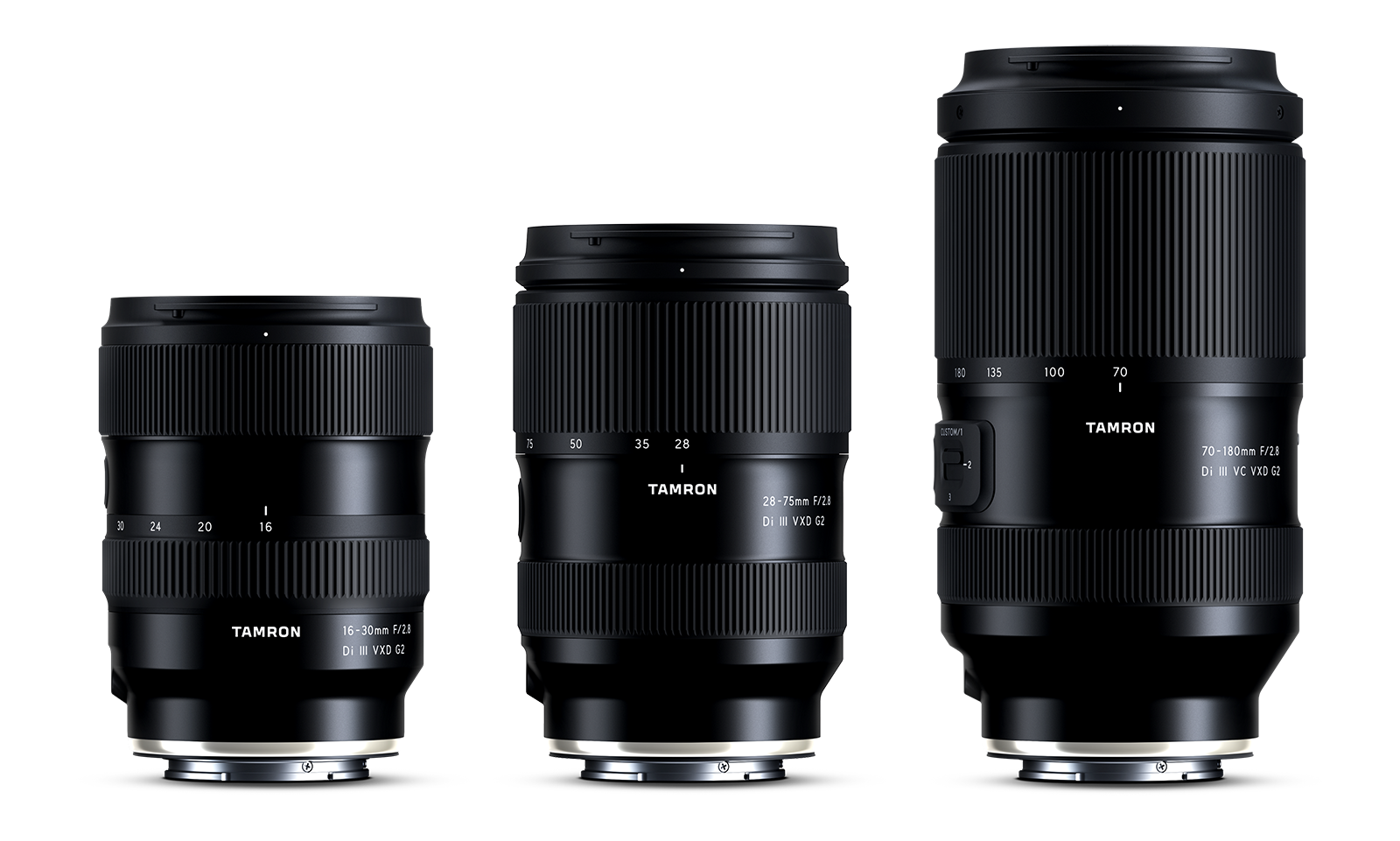
Without compromising on performance, TAMRON offers all three trinity lenses at an affordable price. They deliver high image quality and strong performance, earning high praise from many users for their excellent balance of quality and cost.
Find a Store

High Image Quality
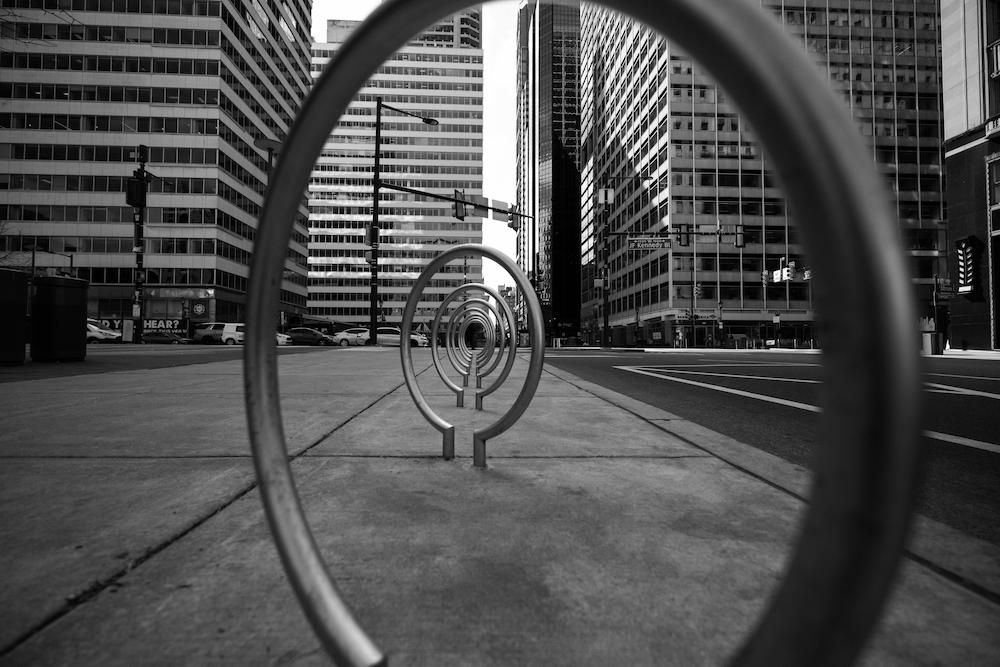
Featuring advanced optical construction and high-quality glass elements, the lens minimizes chromatic aberration while delivering sharp, high-resolution images with rich tonal expression and natural bokeh.










Recommended shooting scenarios for trinity lenses
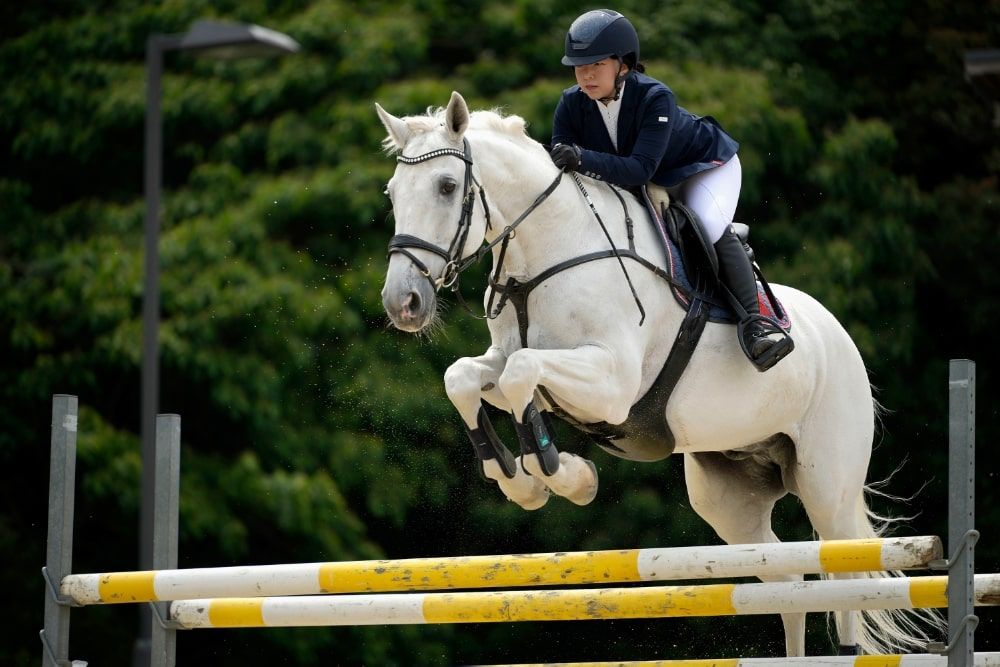
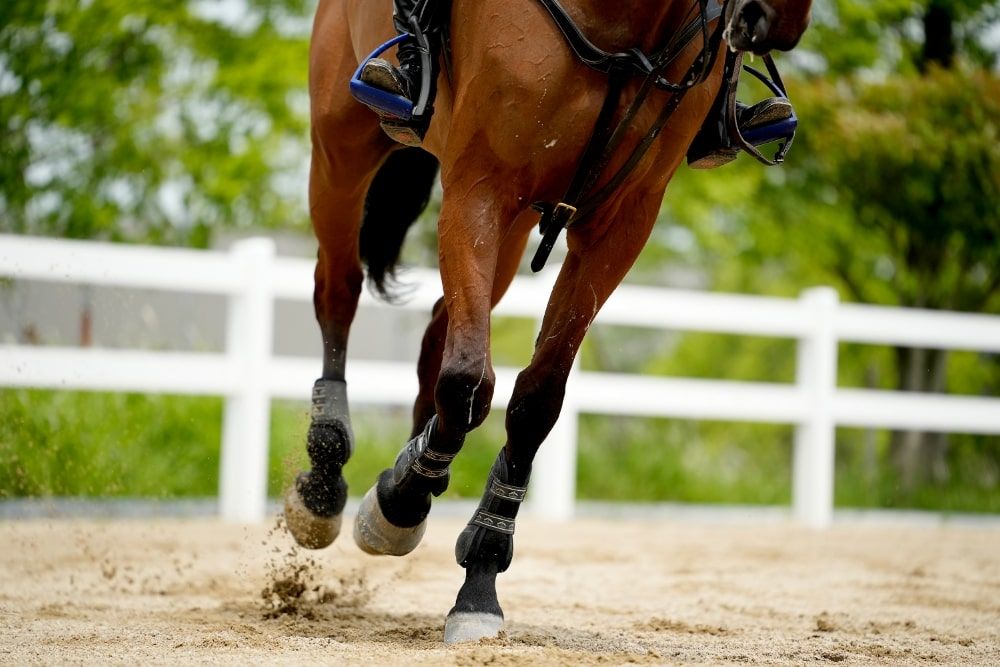
As we have shown, the holy trinity of lenses are appealing because they offer excellent rendering performance and beautiful bokeh, and allow you to take bright photos even at fast shutter speeds. In this next section we will introduce various shooting scenarios where you can utilize the characteristics of these trinity lenses.
Landscape
With high optical performance, you can accurately depict everything in a scene, from the entire landscape down to the fine details. As the lens can gather a large amount of light even under low-light conditions, you can capture the desired images even on cloudy days or dark scenes from evening to night. Additionally, suppression of ghosting and flaring lets you clearly capture your subject even when shooting in backlit or sunset conditions.
When taking beautiful shots of starry skies or night scenes, you need to accurately capture faint sources of light. That is where a wide-angle trinity lens shines, as it features a small F-number and high resolving performance across the entire image.

TAMRON 17-28mm F2.8 (Model A046) Focal length: 17mm Exposure: F8 Shutter Speed: 1/500sec ISO: 100

TAMRON 70-180mm F2.8 G2 (Model A065) Focal length: 180mm Exposure: F2.8 Shutter Speed: 1/30sec ISO: 800 Camera: Sony α1
Shooting indoors and moving subjects
There is often insufficient light when shooting indoors, requiring you to reduce the shutter speed or increase ISO. There are various benefits to using a trinity lens in these situations. Since it is easier to secure enough light even under those poor conditions, you can set as fast a shutter speed as possible to reduce camera shake, and avoid setting too high an ISO to minimize noise, for example.
Similarly when shooting fast-moving subjects such as pets and small children, you often need to set a high shutter speed, and encounter various shooting scenes such as backlit or shady conditions. Trinity lenses with small F-number values also work in these situations, making it easier to take brighter photos with high image quality.
As mentioned previously, trinity lenses also shine in shooting situations that demand high image quality from moment to moment across varying angles of view, such as wedding ceremonies, live concerts and other events.

TAMRON 28-75mm F2.8 G2 (Model A063) Focal length: 75mm Exposure: F2.8 Shutter Speed: 1/800sec ISO: 800 Camera: Sony α7R IV
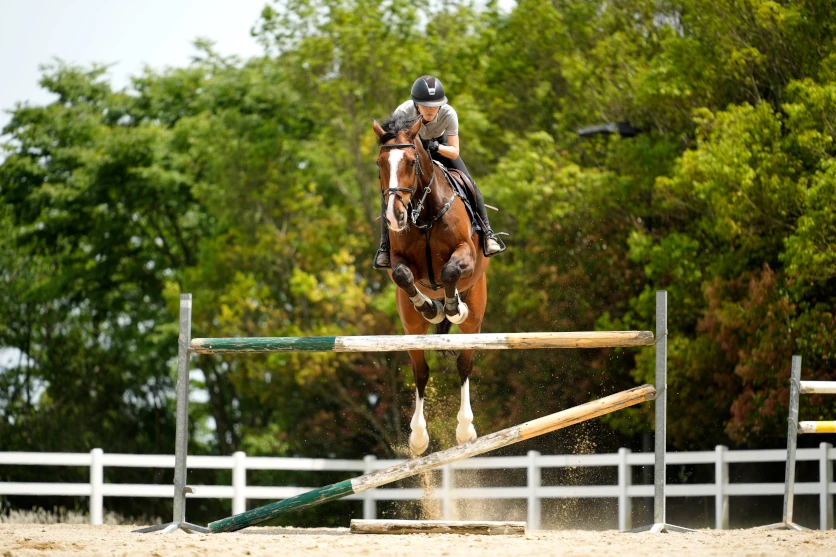
TAMRON 70-180mm F2.8 G2 (Model A065) Focal length: 180mm Exposure: F2.8 Shutter Speed: 1/1600sec ISO: 200 Camera: Sony α1
Sports
In sports photography, zoomed-in closeups of the players, and wider shots that incorporate the background to give the feeling of being there are needed. If a photographer shoots using trinity lenses, they can also adapt flexibly under those conditions. In addition to shooting outdoors, a photographer may need to shoot indoors where there is limited light, such as inside a gymnasium. As a trinity lens allows you to set faster shutter speeds and lower ISO, moments can be captured in sharper detail.
Important points when choosing trinity lenses
Even when talking about the holy trinity of lenses, since the lenses have various features, some people might be unsure of which lenses to choose. In this section we will share some of the important points to consider when choosing a trinity lens.
Resolving performance
Many of those thinking about purchasing a trinity lens want to focus on taking photos with higher image quality. Generally speaking, many trinity lenses feature excellent resolving power and contrast, but differences emerge in other areas, such as color reproduction, sense of depth, and the texture of the bokeh.
While the performance of a lens can be confirmed by checking something like an MTF chart, we recommend checking sample images and reviews on manufacturer websites, in order to make sure that you will be able to take the images you envisage using the lens.

TAMRON 28-75mm F2.8 G2 (Model A063) Focal length: 64mm Exposure: F2.8 Shutter Speed: 1/40sec ISO: 100 Camera: Sony α7R III

TAMRON 28-75mm F2.8 G2 (Model A063) Focal length: 64mm Exposure: F2.8 Shutter Speed: 1/40sec ISO: 100 Camera: Sony α7R III
Weight and compactness
Trinity lenses are used in a variety of shooting situations including landscape photography, wedding ceremonies, parties, sporting events and travel. Depending on the specific shooting scenario, you may be required to carry this equipment for extended periods. That’s why it is important to check the weight of a lens to ensure that you can carry it for extended periods without tiring.
Due to their high-performance construction, trinity lenses tend to be large and heavy, but TAMRON lenses are known for combining high performance with light weight and compact sizes. To ensure you can capture those decisive moments smoothly, we recommend checking ease of handling and choose a type of lens that is easy to carry around.
MOD (Minimum Object Distance)
MOD is the shortage distance from a subject to the image sensor inside the camera at which a subject can be brought into focus. A shorter MOD means that you can get in closer to a subject, which allows you to take impactful photos similar to a macro lens. By combining those compositions with the large bokeh that trinity lenses are known for, you can take your expressiveness to another level.

TAMRON 28-75mm F2.8 G2 (Model A063) Focal length: 75mm Exposure: F2.8 Shutter Speed: 1/80sec ISO: 400 Camera: Sony α7R III
AF (Auto Focus) and VC (Vibration Compensation) mechanism
AF performance and VC mechanisms are also important factors to check. Many trinity lenses are designed to be used under harsh conditions such as low light. If the autofocus locks on subjects without hassle and instantly tracks moving objects, you can maximize the strengths of a trinity lens.
Similarly when shooting with indirect light indoors, photographing items in a studio or shooting with a telephoto lens, having a VC mechanism will help you take stable shots even when shooting handheld.
Enjoy taking high-quality photos with the holy trinity of lenses
The holy trinity of lenses refers to a set of three zoom lenses: a wide-angle zoom, standard zoom and telephoto zoom, each with a constant maximum aperture of F2.8. A feature of these lenses is that you can use them across a wide range of view angles while ensuring the amount of light afforded by the F2.8 aperture, enabling you to obtain high image quality and beautiful bokeh. If you want to enjoy photography in earnest, we encourage you to pick up one of these lenses.
