


Alex Meagher: Infrared Film Photography Master | Get The Shot Ep. 5
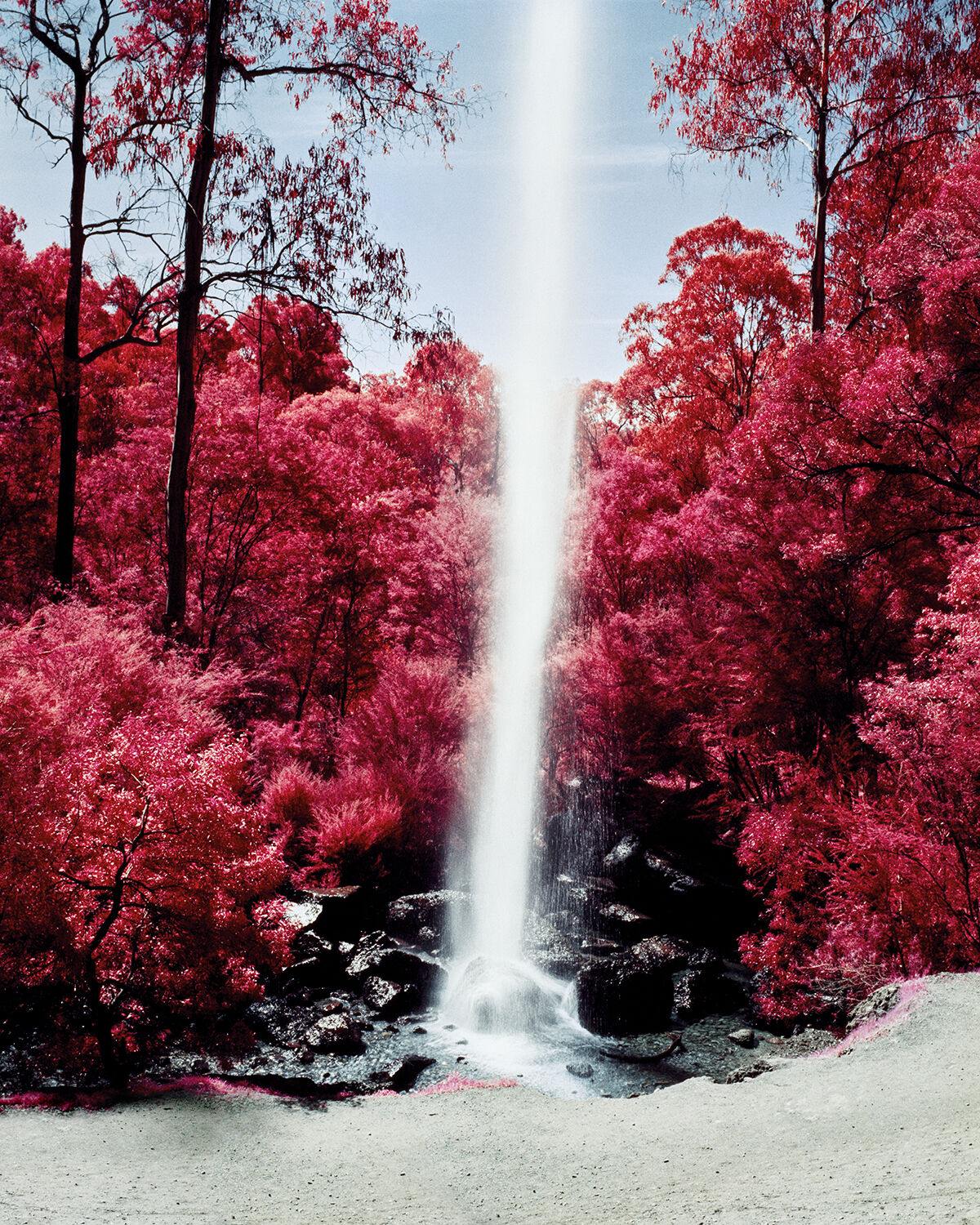
Join us as we explore the invisible spectrum with Alex Meagher, a photographer renowned for his dreamlike, false-colour landscapes. In this episode, we dive deep into the niche world of Infrared Film Photography, discussing how to turn familiar Australian scenery into alien, otherworldly art using rare film stocks and a passion for the analog process.
Watch the full episode here:
Episode Overview: Capturing the Invisible World
Host Joe sits down with Alex Meagher to uncover the secrets behind his striking Infrared Film Photography. Alex explains the science of seeing infrared light, where healthy vegetation transforms into vibrant pinks and reds, and shares his inspiration drawn from artists like Richard Moss.
Beyond the technical, this episode explores the philosophy of shooting film in a digital age, the “nostalgia” trend driving the analog resurgence, and the high-stakes reality of shooting rolls that can cost up to $400 each!


Techniques: The Science of False Colour
Alex breaks down exactly how he achieves his signature surrealist look, explaining that it is not just a simple filter swap but a manipulation of the light spectrum.
- Seeing Infrared: Unlike regular film, infrared film captures light at the far end of the spectrum that is usually invisible to the human eye. [00:44]
- The Red Filter: To achieve the effect, Alex uses an orange or red filter to cut out blue visible light, allowing the invisible light and the red end of the spectrum to dominate. [01:28]
- Vegetation Reaction: The “false colour” effect is most prominent in healthy vegetation, which reflects infrared light strongly, turning trees and grass into various shades of red and pink. [01:57]
- Alien Landscapes: To enhance the otherworldly feel, Alex deliberately frames out human elements like fences and power poles, leaning fully into the “alien” aesthetic. [06:15]
Gear: The High Stakes of Rare Film
Shooting with discontinued stocks creates a high-pressure environment where every frame counts. Alex discusses the costs and the equipment he uses to capture his vision.
- The Cost of Art: The rare infrared film Alex uses was discontinued over a decade ago, with prices skyrocketing from $100 to nearly $400 a roll on eBay. [04:25]
- Camera Choice: He alternates between a 4×5 large format setup and a more portable Fuji 645, which he has even used to shoot out of plane windows. [06:53]
- Cost Per Click: When factoring in purchasing, developing, and scanning, a single press of the shutter can cost upwards of $30 to $40. [09:14]
- Precision vs. Bracketing: Due to the extreme cost, “bracketing” (taking multiple safety shots) is a luxury he rarely affords, meaning he must be precise with every exposure. [09:30]
Philosophy: The Joy of the Mechanical
In a world of instant digital feedback, Alex champions the tactile and slow nature of analog photography, arguing that the experience of shooting is just as important as the result.
- The Mechanical Feel: A huge part of the appeal for Alex is the physical sensation of the camera, from the winder to the “shutter slap” of the mirror. [17:06]
- The Process over Product: He enjoys the act of holding and using the cameras so much that he often leaves rolls of film undeveloped for months, enjoying the surprise when he finally sees them. [18:07]
- Nostalgia Trends: Alex attributes the rise of film in movies and hobbies to a desire for nostalgia, comparing the “crackle” of a vinyl record to the imperfections of film grain. [13:24]
- Personal Preference: While acknowledging that digital is technically superior, he simply prefers the look and process of film and doesn’t strive for technical perfection. [15:05]
Workflow: Minimalist Editing
Contrary to modern digital workflows, Alex’s post-production is minimal, relying on the film stock itself to do the heavy lifting.
- The Film Look: He puts very little work into post-production because the goal is to capture the inherent look of the film stock, not to create it in software. [10:06]
- Self-Scanning: Alex scans his own negatives, performing only basic colour corrections and horizon straightening, ensuring he retains control over the final image. [10:28]
- Digital Emulation: He argues that while you can try to edit digital files to look like film, they never truly capture the authentic feel of the medium. [12:20]
- Commercial Application: For professional client work, he still recommends digital for its efficiency and volume, reserving film for his personal art. [16:13]
“Regular film sees what we can see… where this special film is actually seeing the light that is at that far end of the spectrum that we usually cannot.”
– Alex Meagher
Alex Meagher
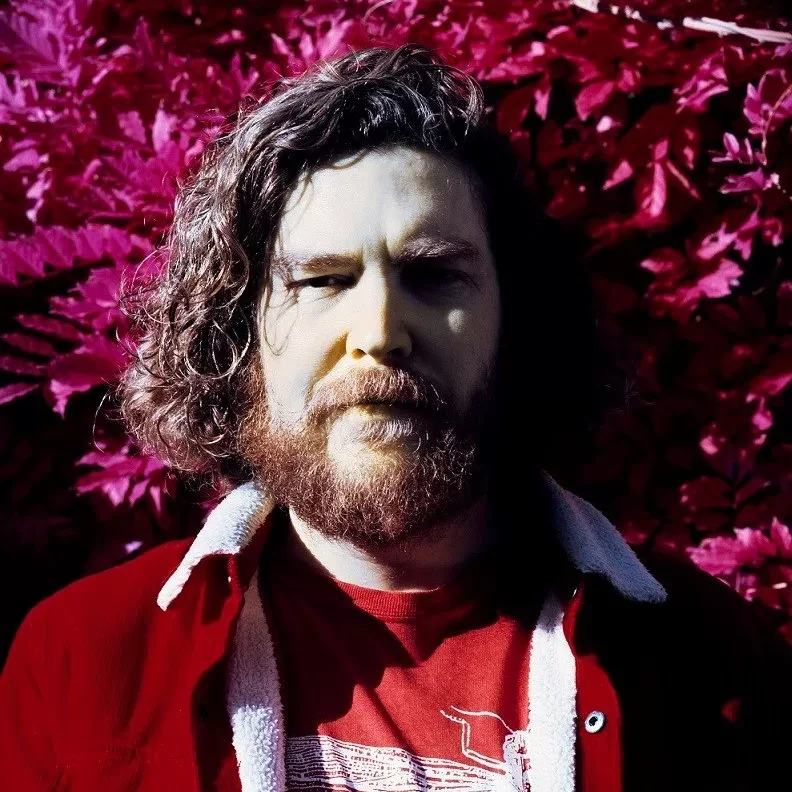
Alex Meagher is a Melbourne-based photographer celebrated for his mastery of Infrared Film Photography. Known for his surreal, candy-coloured landscapes that transform the Australian bush into alien worlds, he has gained a following for his dedication to rare, discontinued film stocks. His work has been featured in exhibitions and even on limited-edition beer cans for The Mill Brewery.
Q&A
Q: What is infrared film compared to normal film?
“regular film sees what we can see… where this special film is actually seeing the the light that is at that far end of the spectrum that we usually cannot”
Q: How did you come across this film and this technology?
“it all started after going to an exhibition at um the NGV… by a photographer called Richard Moss… I just absolutely fell in love with it as soon as I saw it”
Q: Why do you think film as a trend is on the rise?
“it’s a lot of nostalgia happening… film inherently has a bit of of a look of nostalgia to it… like listening to a record with a crackle in it”
Q: Do you like the thrill of the hunt or the actual catch itself?
“it’s a tricky one to answer because it’s all three… I just like the the mechanical feel of the cameras that is a big part of it”
Bonn Creativ’s infectious energy and practical approach to creativity serve as a brilliant reminder that the best gear you have is your imagination. Whether she is taping a tripod to skateboards or shooting high-end fashion, her focus remains on fun and storytelling. We hope this episode inspires you to pick up your camera, hit the record button, and just get the shot.
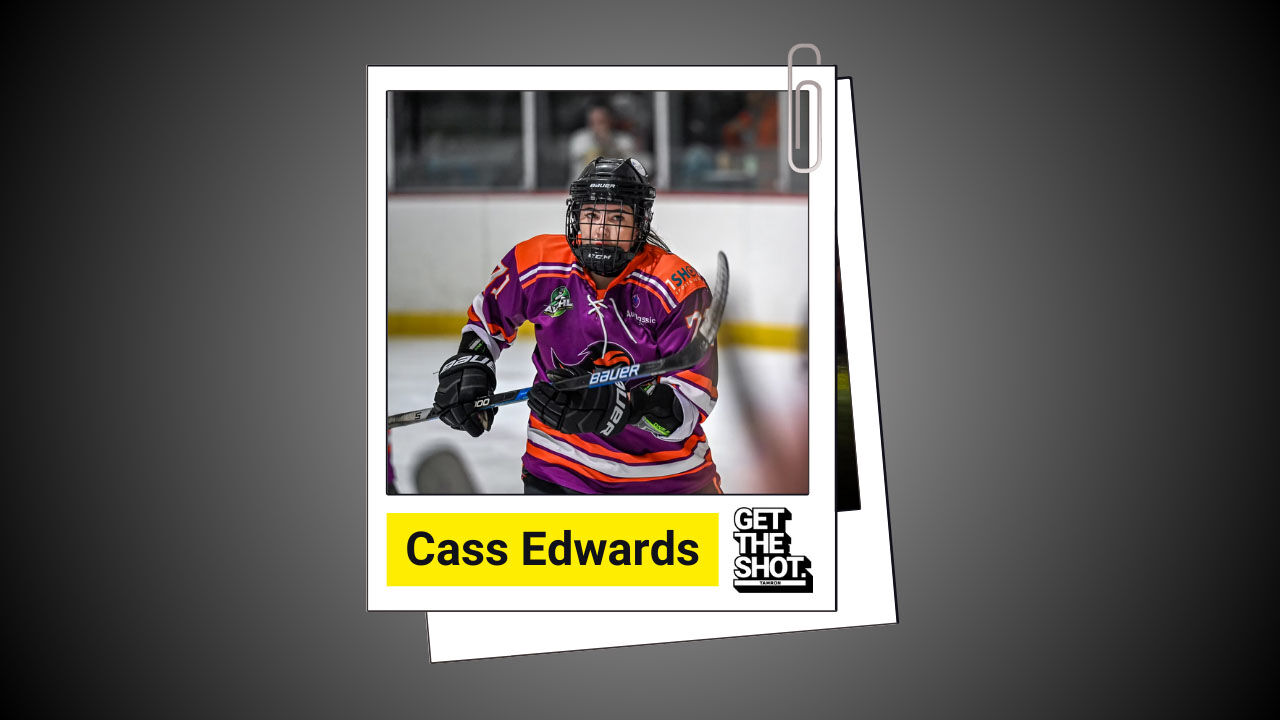
Cass Edwards: Sports & Music Photography Master | Get The Shot Ep. 2
Step into the fast-paced world of performance photography with Cass Edwards, a dynamic Perth-based shooter making waves in the AFL, NRL, and Ice Hockey scenes. In this[...]
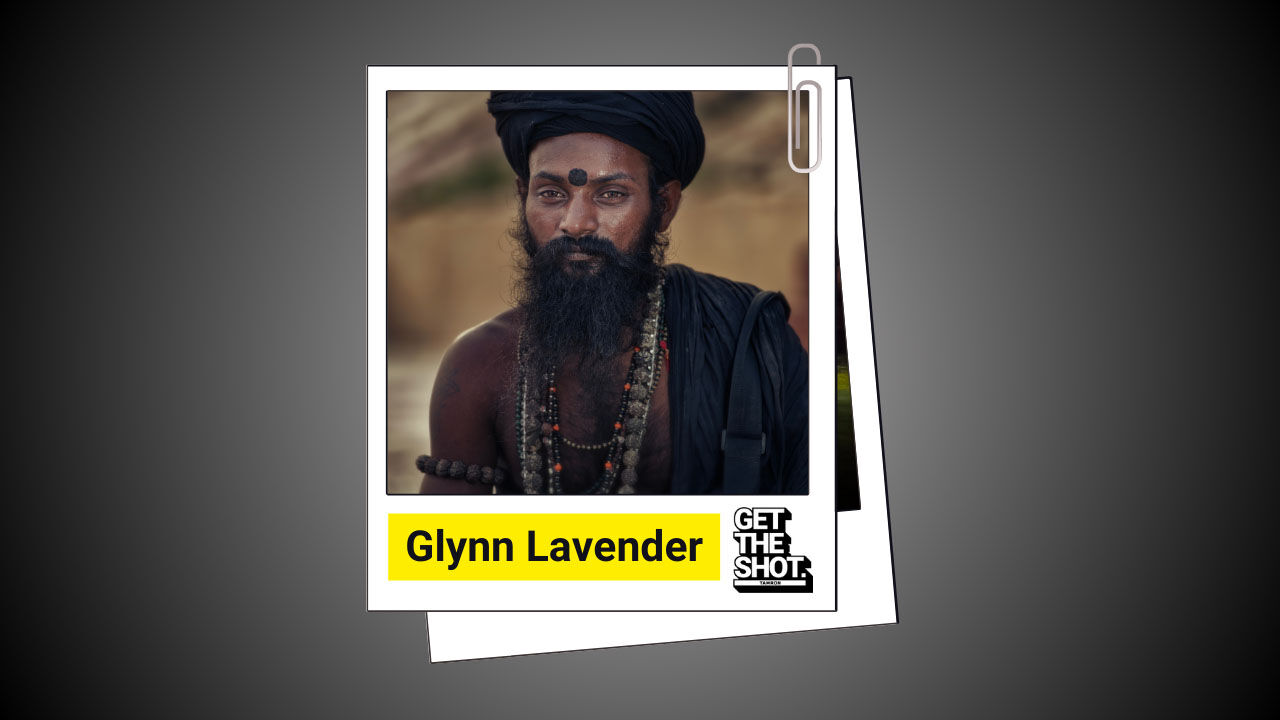
Glynn Lavender: Travel Photography Master | Get The Shot Ep. 1
Join us for an inspiring journey into the heart of travel photography with industry legend Glynn Lavender. In this debut episode, we explore why the best images[...]

Oil & Water Universe – Alex Meagher
Meet Alex Meagher, a photographic artist originally from Rotorua, New Zealand, now based in Melbourne, Australia. Alex's unique vision comes from a[...]
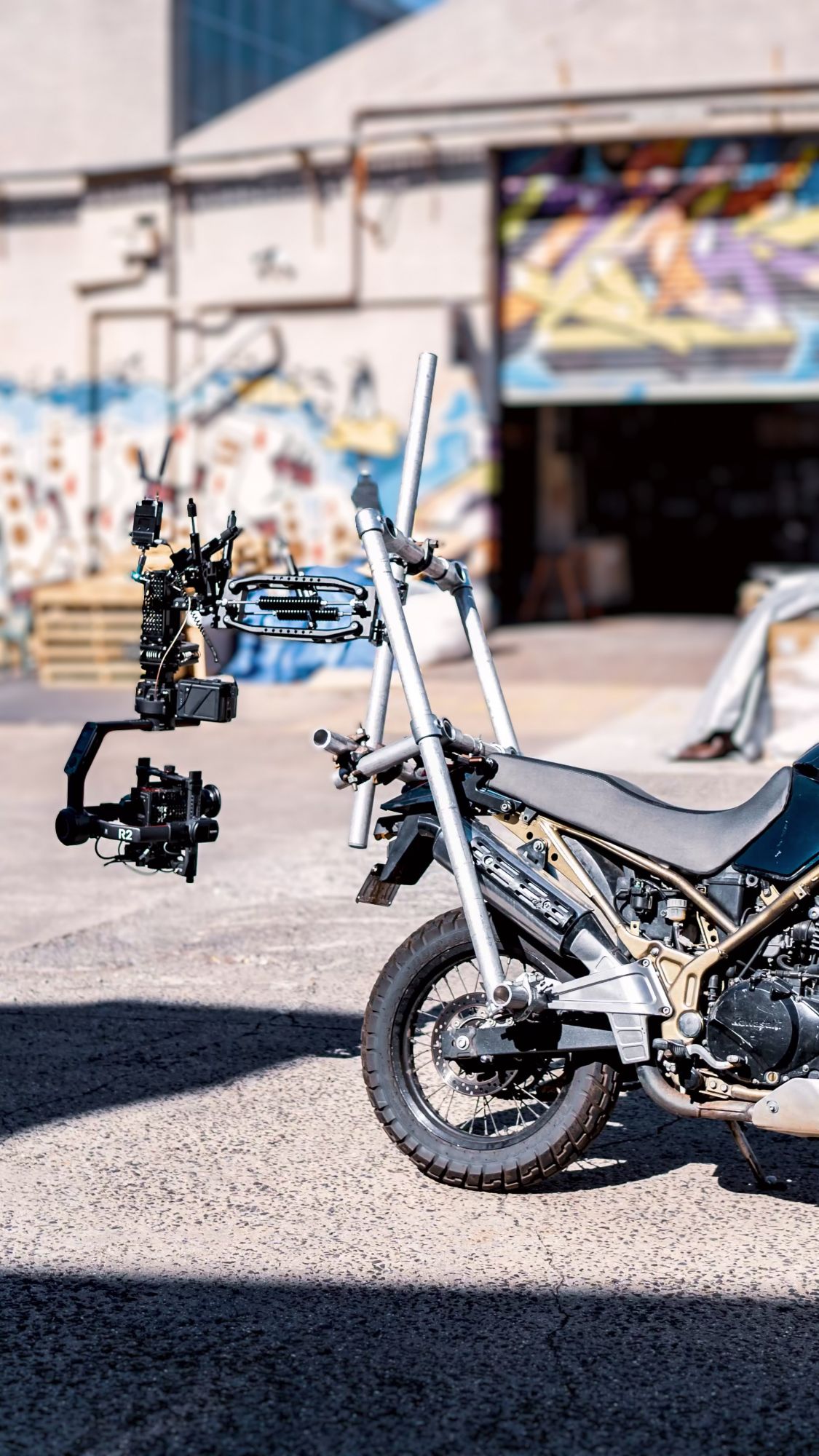
Motorig – Jake Simkin
What do you get when you mix a DIY spirit and a cinematographer with just enough sense not to say no?
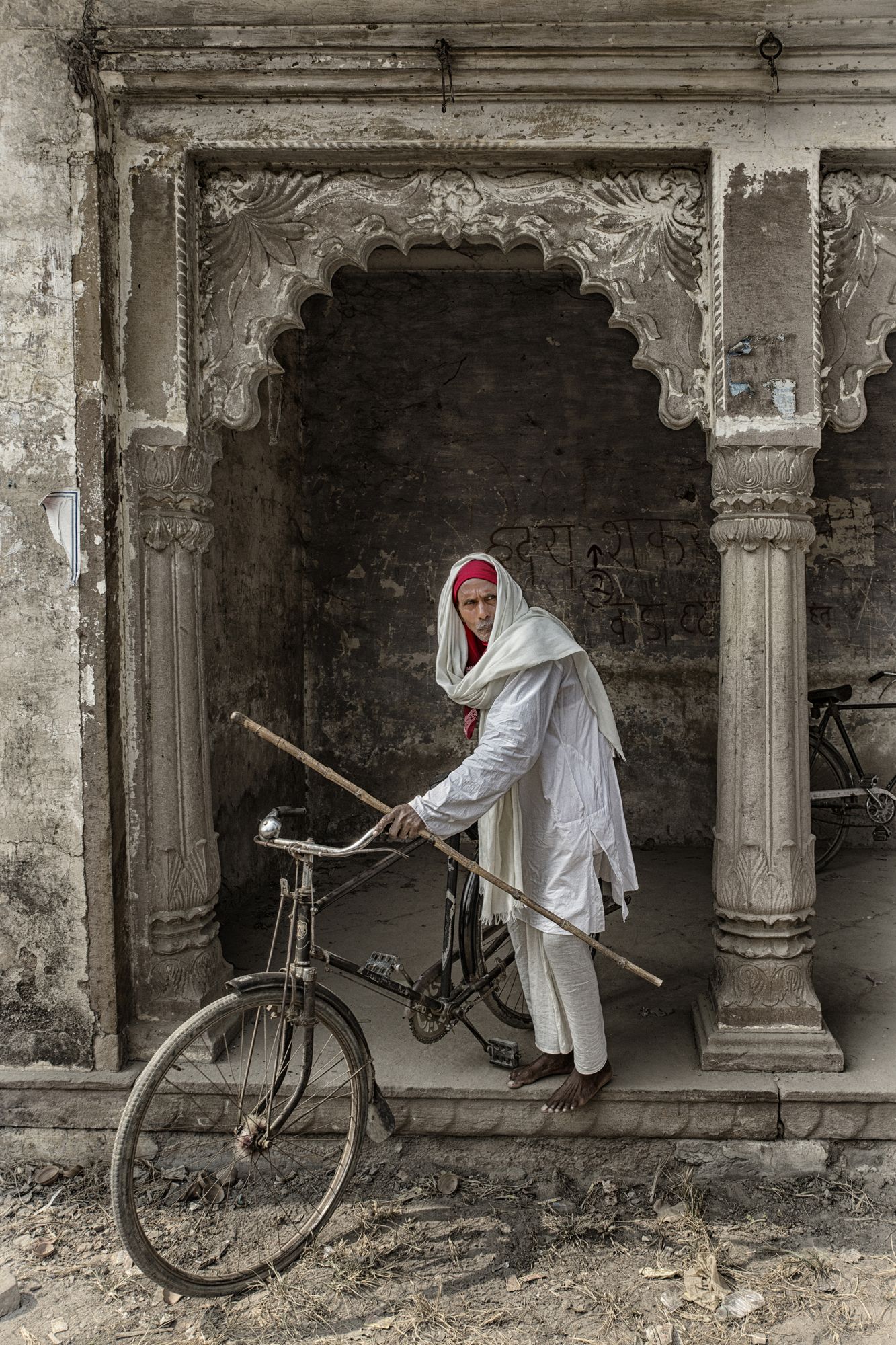
Bike Against A Wall – Glynn Lavender
"However, just as we lined up to frame our shots a man, who looked like he had just stepped off the set of an Indiana Jones movie jumped into the scene"
Bikes; No Budget – Ben McNamara
Okay, so I'm in Australia and I get a call. Do you want to fly to India to shoot motorcycles ripping through the desert? Yes. Yes, please...
Get The Shot STORIES read more
It’s not always about the gear.
Sometimes it’s the mud, the missed turns, the 4am call times or the conversations that happen in between. The moments behind the shot are often just as powerful as the image itself.
In this series, we speak with photographers from all walks of life about the stories behind their work; the behind-the-scenes chaos, the spontaneous camera rigs held together with tape, the interactions with strangers, and everything that got them there. Sometimes you gotta go out of your way to get the shot.
