Learn how to shoot landscapes, portraits, wildlife, and more with the Tamron 18-300mm F/3.5-6.3 Di III-A VC VXD. Tips, techniques, and best practices for amazing results.
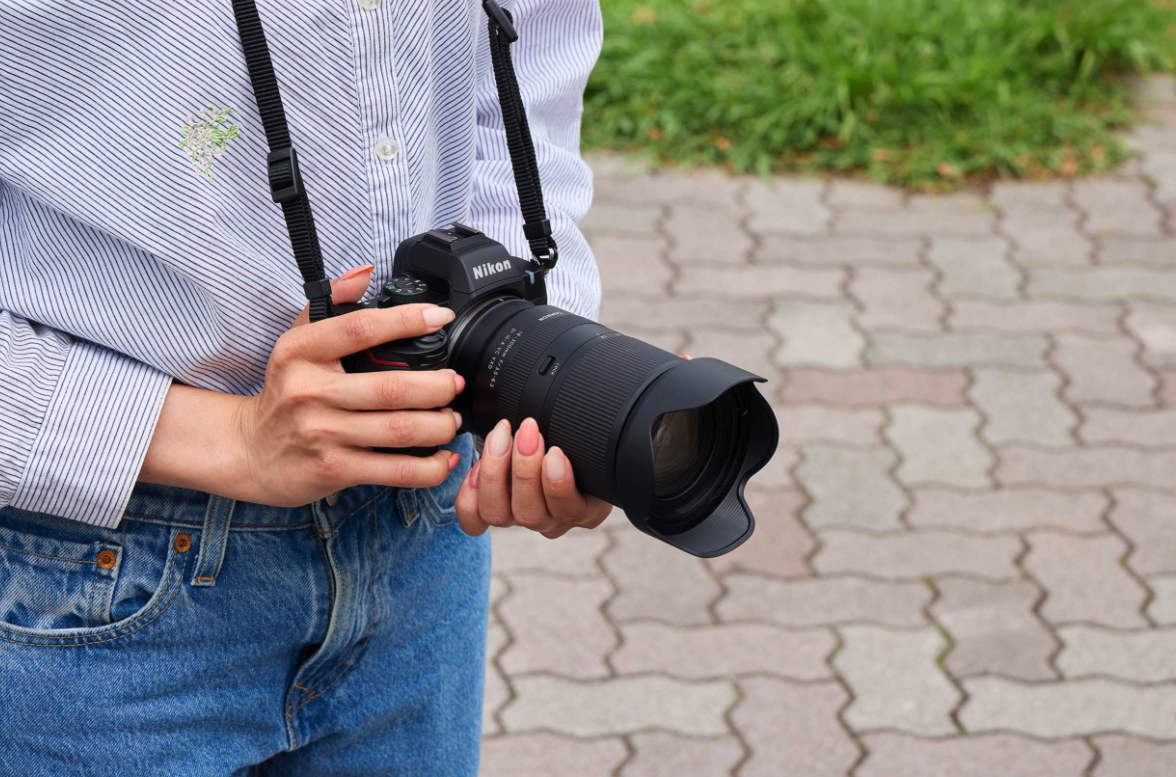
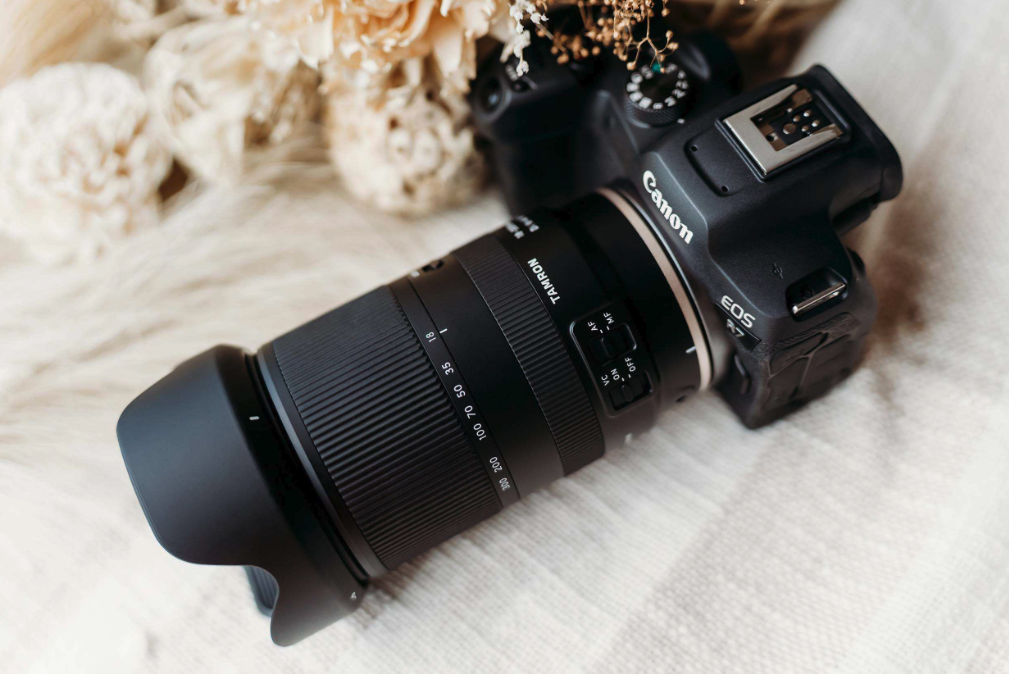
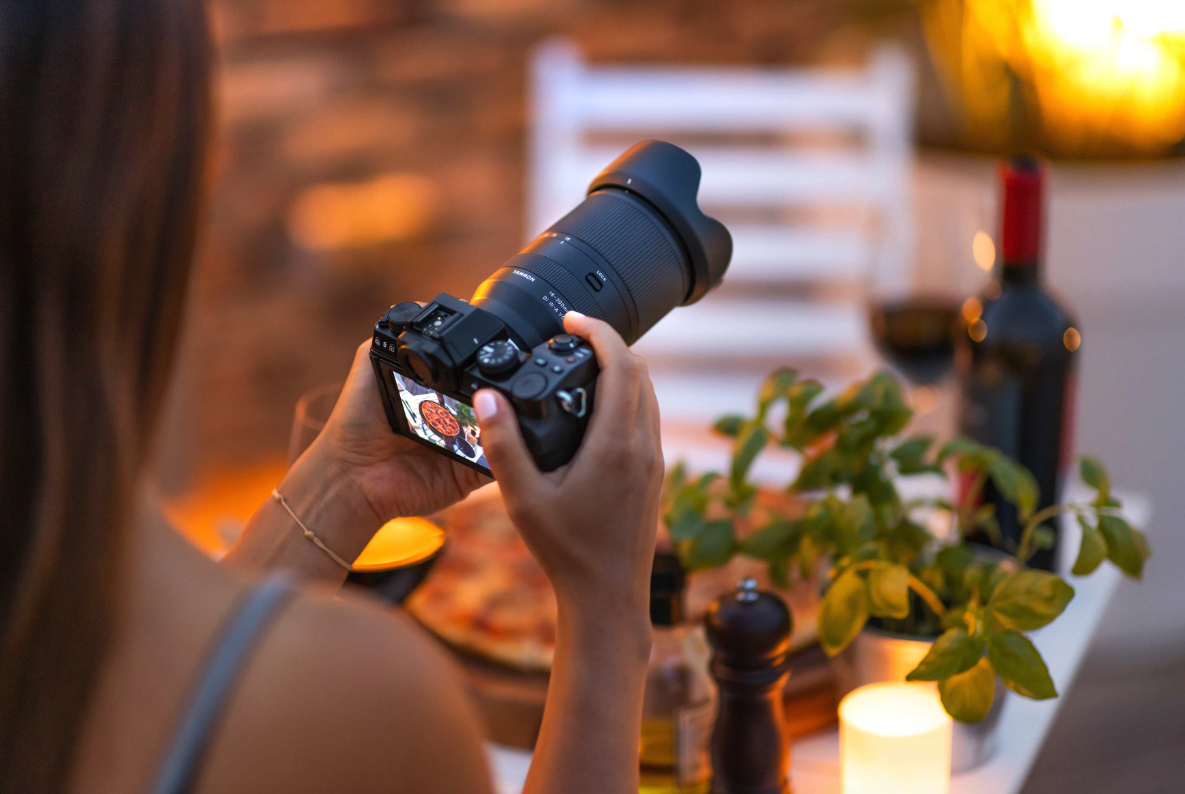
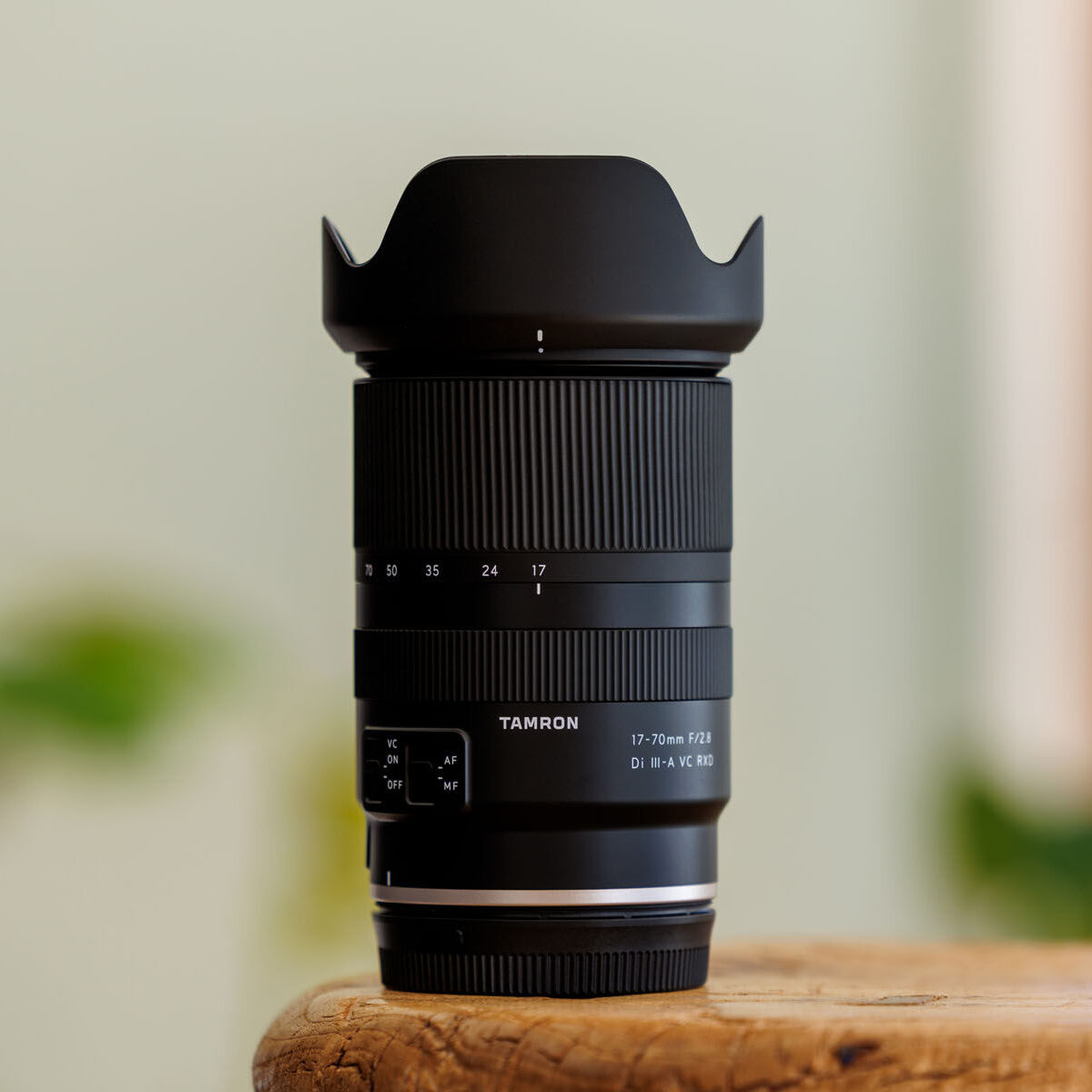
Looking for one lens to cover endless possibilities? The Tamron 18-300mm F/3.5-6.3 Di III-A VC VXD offers an incredible 16.6x zoom range, 27–450mm equivalent for APS-C, giving you the versatility to shoot dramatic landscapes, quick snapshots, portraits, wildlife, and birds—all without changing a lens. This guide shows you exactly how to maximise it.
Quick Summary Table
| Step | Focus |
| 1 | Why choose a superzoom lens |
| 2 | Landscape and wide-angle setups |
| 3 | Portrait and wildlife shooting tips |
| 4 | Advanced techniques for creative results |
| 5 | Prepare and share your work with confidence |
Step 1: Why Choose the Tamron 18-300mm?
Start strong: Travel light, shoot more. With a 16.6x zoom range (18–300mm), responsive VXD autofocus, and VC stabilisation, this lens adapts to any photographic challenge. Whether you’re chasing sunsets or tracking wildlife, this is the ultimate all-in-one solution for Sony E and Fujifilm X APS-C mounts.
Pro Tip: Keep it mounted as your go-to travel companion—it replaces multiple lenses in one lightweight body.
Step 2: Perfect Setup for Landscapes & Snapshots
- Focal Range: 18–35mm to capture wide expanses
- Aperture: f/8 to f/11 for sharpness from edge to edge
- Technique: Use leading lines or foreground elements for depth
Best Practice: Enable VC (Vibration Compensation) for tack-sharp shots even in hand-held scenarios—ideal for quick grabs during hikes or city exploration.
Step 3: Better Portraits & Wildlife Shots
- Shoot portraits at 70–150mm for ideal perspective and creamy bokeh
- For animals and birds, push to 200–300mm to capture tight frames without intrusion
- Combine fast shutter speeds with continuous AF for action shots
Pro Tip: Use eye detection AF where available for razor-sharp subjects.
Step 4: Advanced Techniques for Maximum Impact
Once you master the basics, it’s time to explore creative power:
- Compression Technique: Zoom to 300mm and step back for dramatic background compression in portraits or landscapes.
- Texture & Detail: Use the telephoto end to isolate architectural elements or natural patterns.
- Bokeh Effects: At full zoom with the widest aperture, blur backgrounds for premium, subject-focused shots.
- Panning Wildlife: Reduce shutter speed slightly (1/60–1/80 sec) and follow motion to create dynamic action images.
Pro Tip: Experiment with framing—wide angles for storytelling, telephoto for cinematic impact.
Step 5: Prepare, Edit & Share Your Story
After shooting, enhance your images:
- Apply colour grading for consistency across your series
- Sharpen wildlife details and crop confidently—the lens delivers exceptional resolution
- Export for social or print, and showcase your versatility as a creator
Next Step: Share your shots and join the Tamron community by tagging @tamronaus on Instagram
Bonus Tips
- Engage VC mode when handheld for cleaner results
- Shoot RAW for maximum flexibility in editing
- Pair with a travel tripod for long exposures or night landscapes
FAQs
Q: Is the Tamron 18-300mm good for bird photography?
A: Absolutely—the 300mm reach and fast VXD AF nail distant subjects.
Q: Does it handle landscapes well?
A: Yes, start at 18mm with f/8 for optimal clarity across the frame.
Q: Can this lens work for video?
A: Yes—VC and silent AF make it an attractive option for vloggers and hybrid creators.