


Getting More from your
Wide-Angle Zoom Lens
A wide angle zoom lens is one of the most rewarding tools you can add to your kit, and one of the most commonly underused. Photographers who step up from a standard zoom often find themselves shooting at the widest end of the range and leaving everything else on the table. This guide is about changing that.
Whether you shoot landscapes, architecture, interiors, or street, understanding how to work with a wide angle zoom lens (rather than just point it at something big) is what separates competent shots from genuinely compelling ones.
What Makes a Wide Angle Zoom Different?
Wide angle zoom lenses cover focal lengths that are shorter than the “standard” 50mm view roughly approximating human vision. On a full-frame mirrorless camera, anything at 35mm or wider qualifies as wide angle; at 24mm or wider, you’re in ultra-wide territory. For APS-C cameras, those thresholds shift to around 24mm and 16mm respectively, due to the crop factor.
The zoom element is what makes these lenses so practical. Unlike a prime wide angle, a zoom lets you shift between, say, an ultra-wide 16mm composition and a more moderate 30mm framing without changing position or swapping glass. That flexibility is especially useful when you’re working in tight spaces, shooting in rapidly changing conditions, or want to experiment without interrupting your flow.
The tradeoff with ultra-wide focal lengths is that perspective distortion becomes more pronounced the shorter you go. Straight lines near the edges of the frame can bow, and subjects placed close to the lens appear disproportionately large relative to the background. These aren’t flaws to avoid; they’re characteristics to understand and use intentionally.
Technique: Getting the Most from the Wide End
Compose with intention; the frame fills fast
A wide angle lens captures a lot of scene, which means a lot can go wrong at the edges. Distracting elements, unwanted passers-by, cluttered backgrounds… They all sneak in. Before you shoot, scan the full frame, not just the subject. Be mindful of your framing, try to keep your subject as the focal point.
Anchor with a strong foreground and a prominent subject
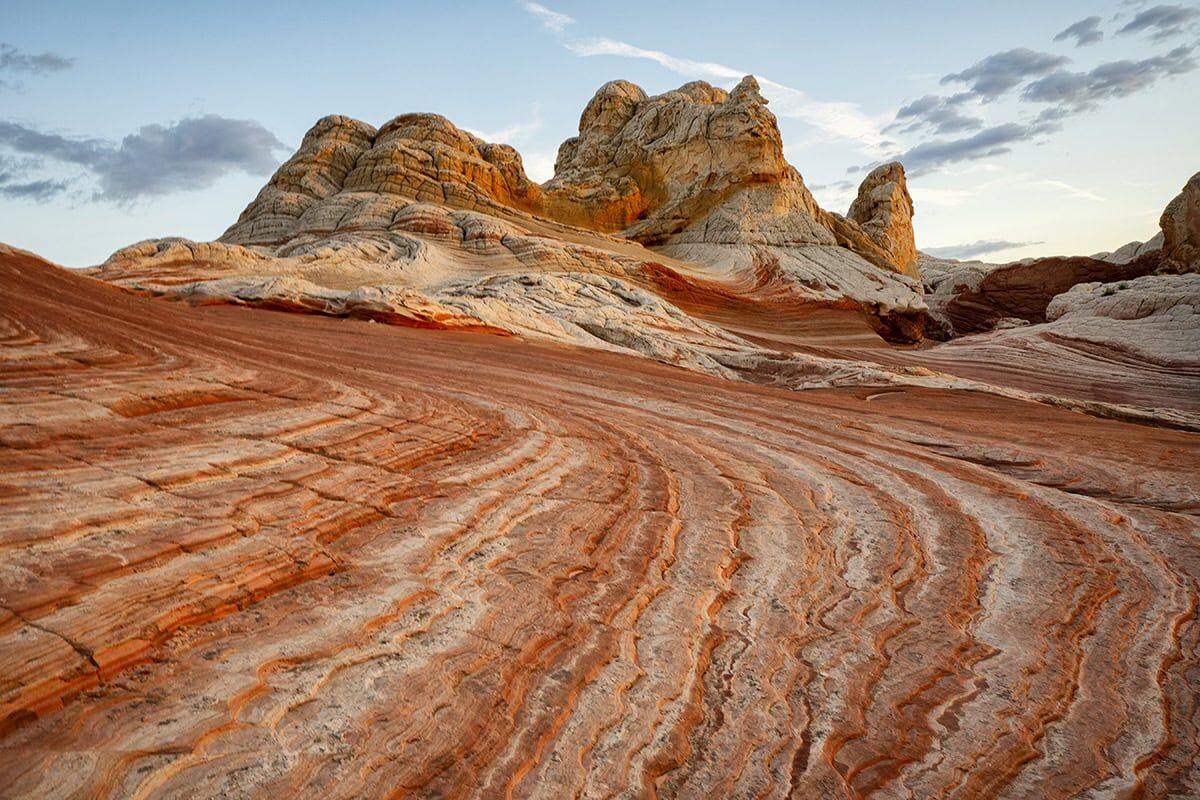
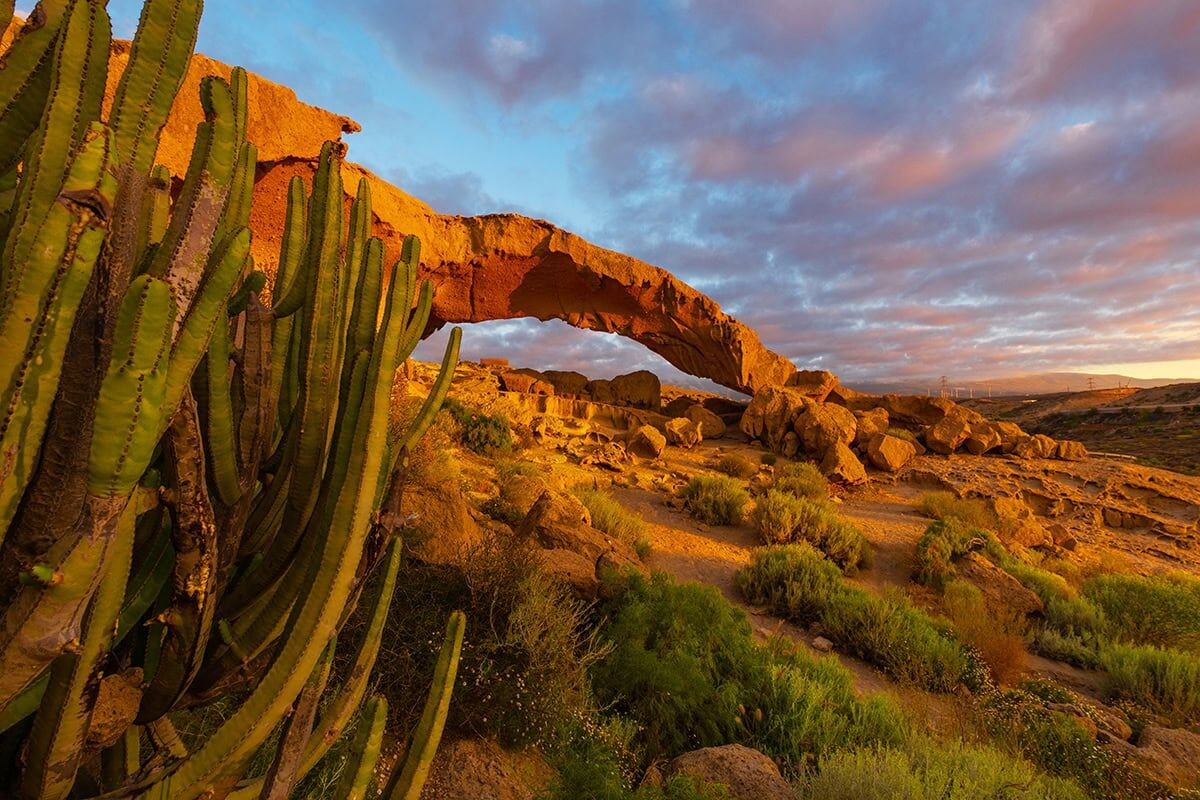
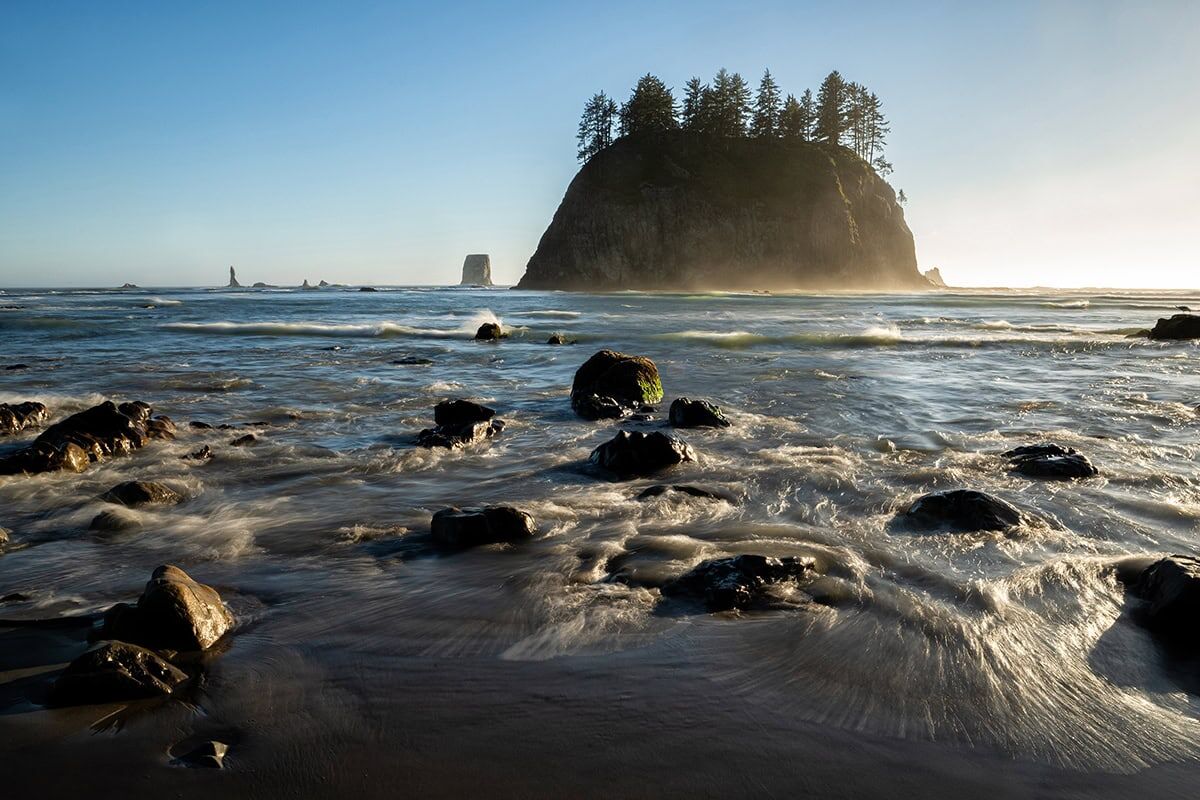
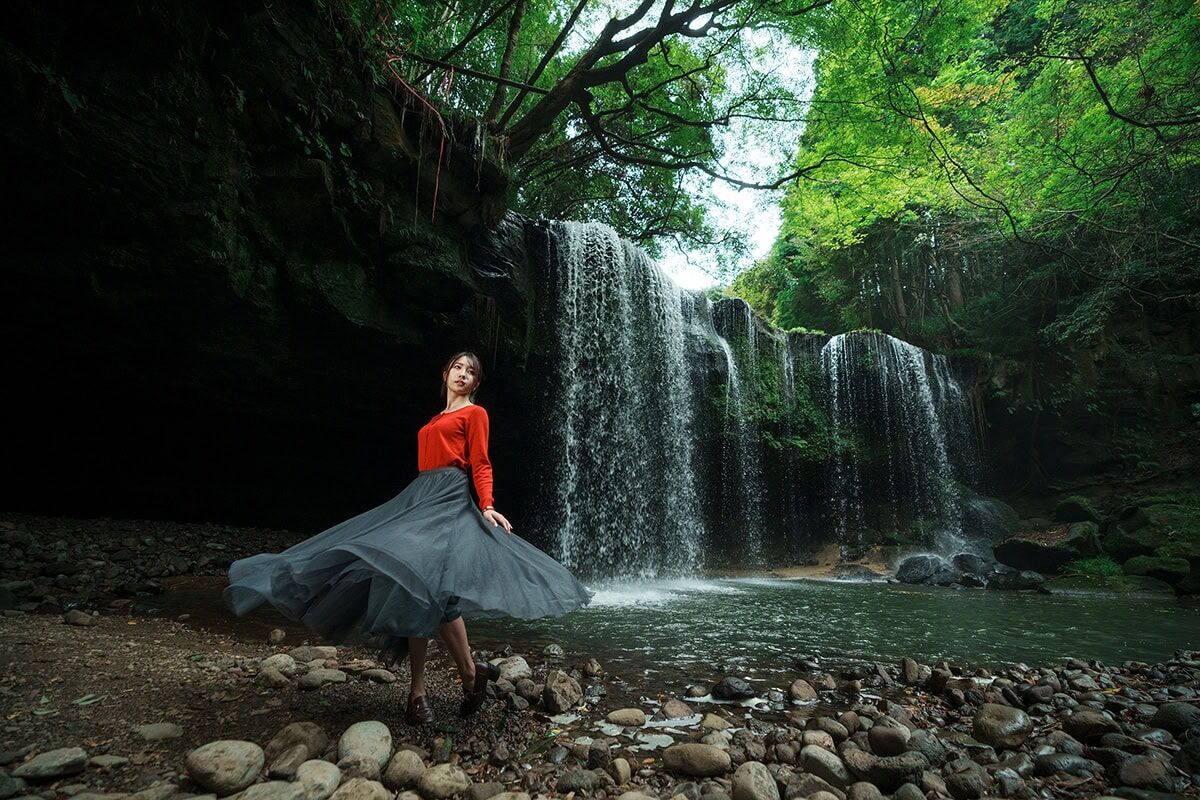
The most common mistake with landscape photography using a wide angle lens is treating the foreground as empty space. Rather, it’s the entry point into your image. Rock formations, foliage, reflections, textural ground detail: placing something compelling in the foreground draws the viewer in and creates a sense of depth that telephoto shots simply can’t replicate.
Lead the eye with lines
Roads, rivers, fence lines, shorelines, architectural edges… These become powerful compositional tools with a wide angle lens. Placed diagonally across the frame, they create movement and pull the viewer’s gaze through the image toward the subject or horizon.
Get closer for street and environmental portraits
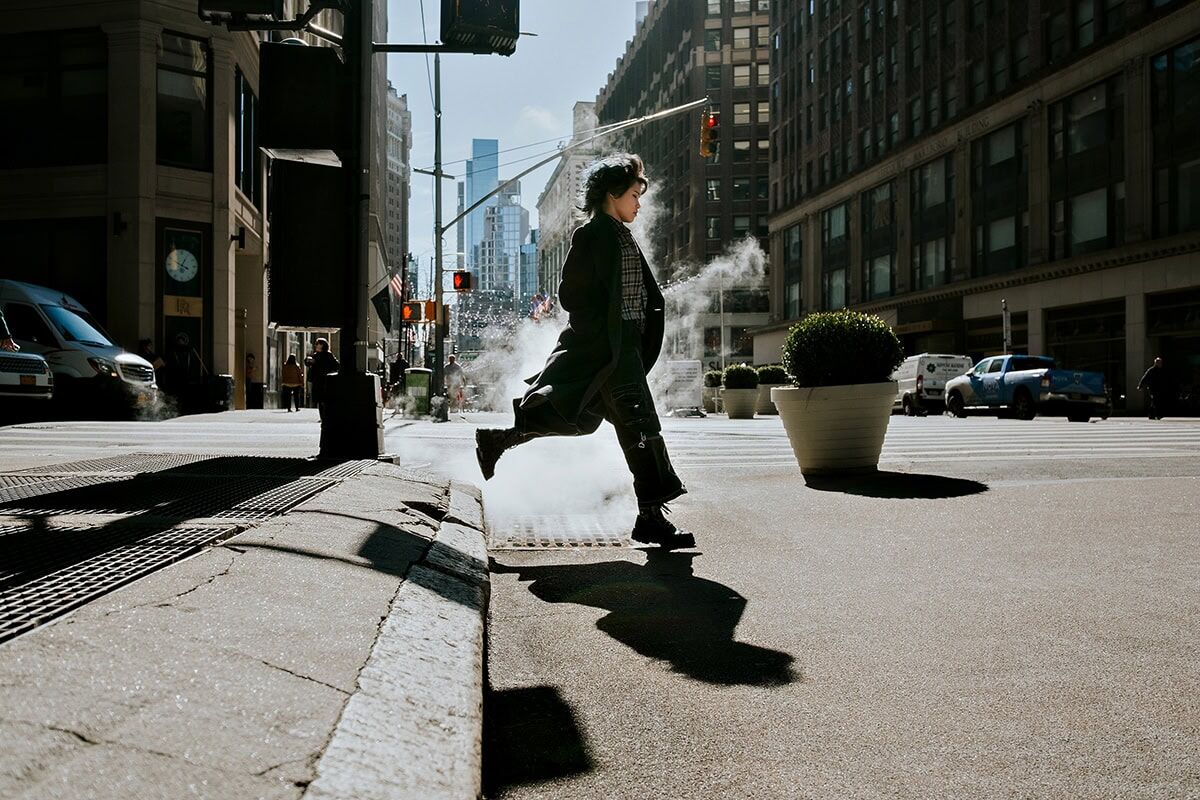
Wide angle lenses reward proximity. In street photography, shooting at 20–24mm from close range pulls the viewer into the scene alongside your subject, creating an immersive quality that longer focal lengths don’t achieve. It requires confidence to work that close, but the results are distinctive.
Choosing the Right Focal Length for Your Subject
The right focal length isn’t just about how much you can fit in the frame, it’s about the relationship between subject, foreground, and background that you want to create.
Landscapes and night skies benefit from the widest focal lengths available. 12–20mm on full-frame, 11–12mm on APS-C. The goal is to capture scale and depth, and to include expansive foreground that places the viewer inside the scene rather than looking at it from a distance.
Architecture and interiors depend on your intent. Ultra-wide focal lengths communicate scale and grandeur but introduce visible barrel distortion on vertical lines. Stepping back to 16–30mm often produces cleaner results, particularly for interiors where you’re working in tight spaces.
Street photography and events sit comfortably in the 17-50mm range on full frame. Wide enough to include context, controlled enough to avoid distortion dominating the frame.
Environmental portraits, where the person and their surroundings are equally part of the story – work well at 24mm and 35mm. Going wider than this risks the subject appearing disconnected from a background that now looms large.
Tamron Wide Angle Zoom Lenses
Tamron 12-20mm F/2.8
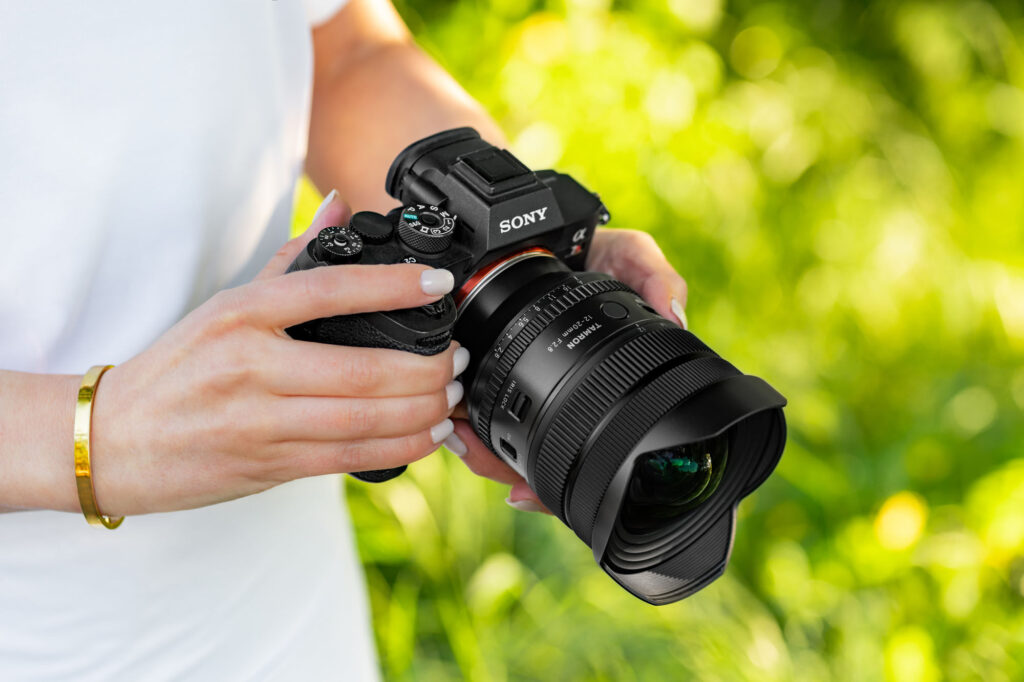
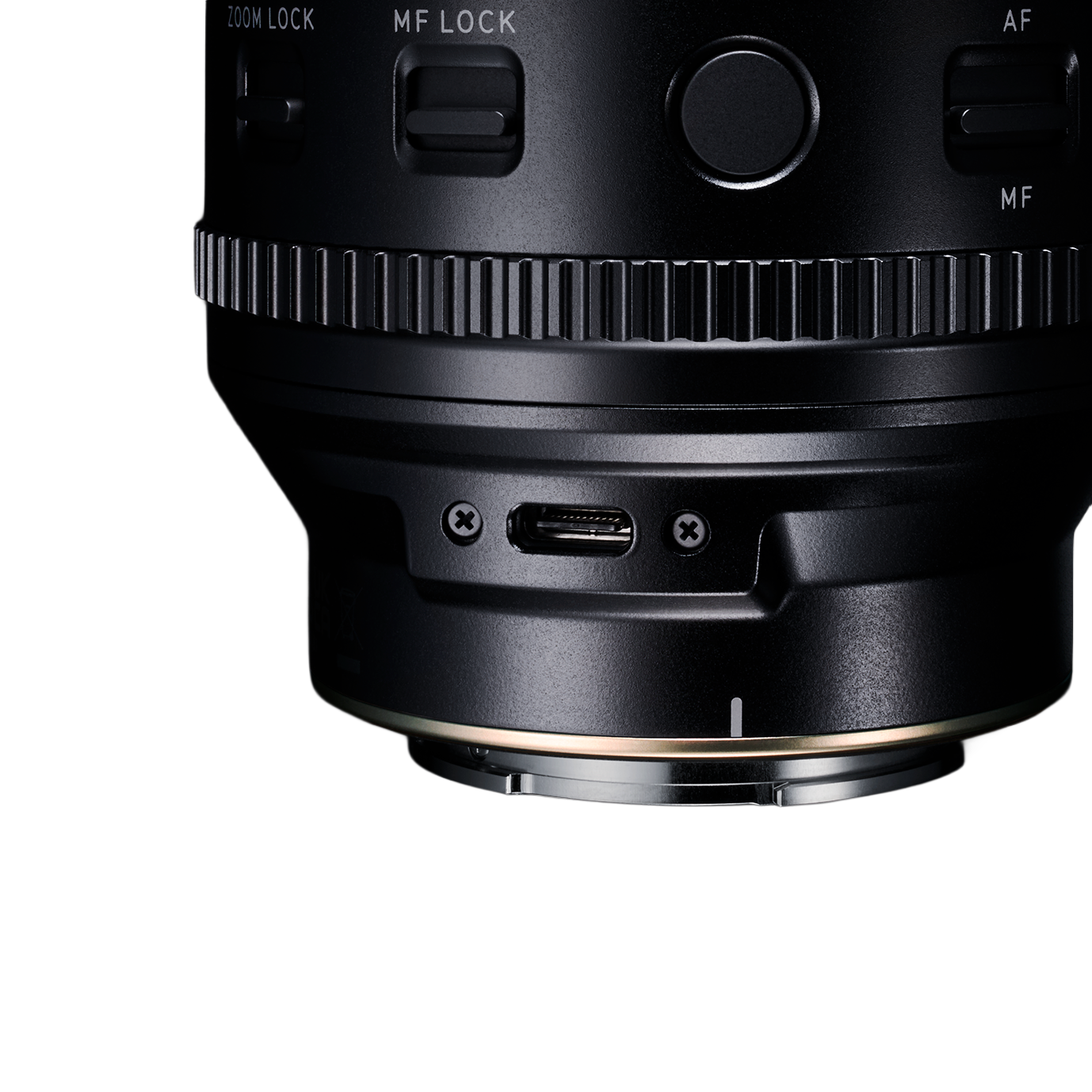
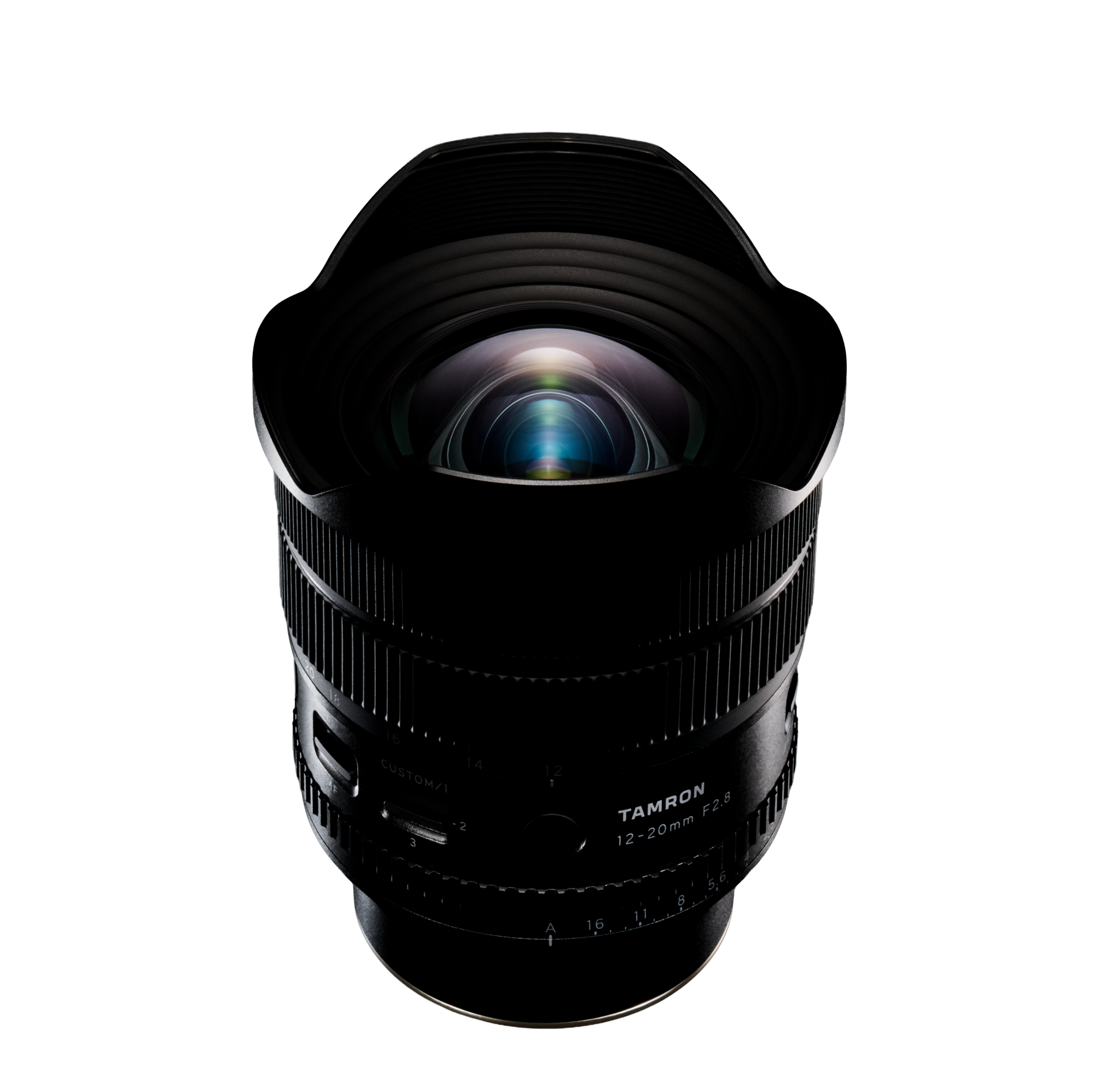
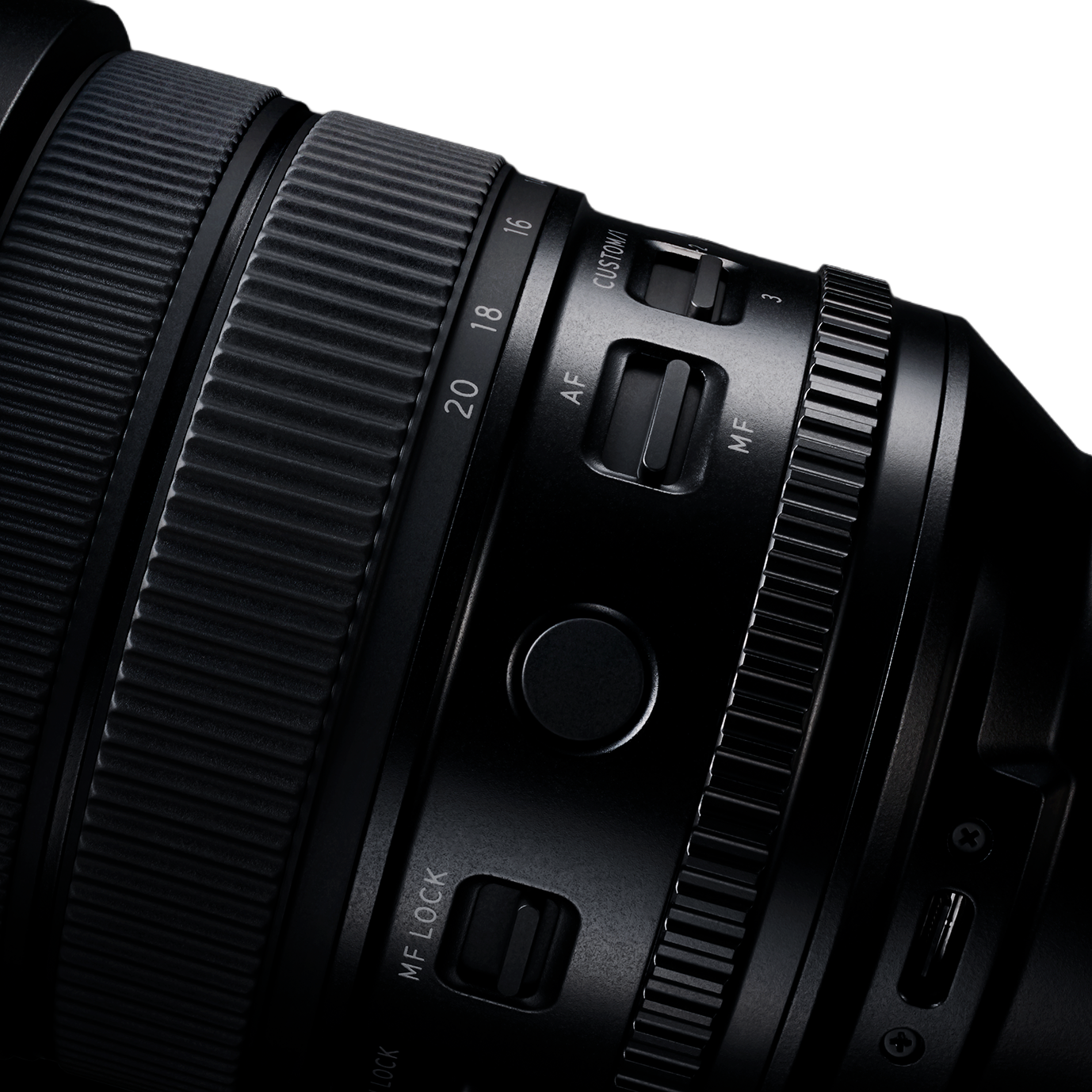
The 12-20mm F/2.8 is Tamron’s newest, and widest lens. An extremely lightweight and compact ultrawide lens that fits right in the palm of your hand. While 14mm or 16mm lenses are wide, the expansive 12mm perspective provides an unparalleled sense of scale. It allows you to emphasize perspective and capture the world with dynamic intensity – ideal for everything from majestic architecture to vast, sweeping landscapes.
This is our most advanced lens ever. With stunning corner-to-corner resolution for astrophotography and nightscapes, and a compact and lightweight design that gives enhanced mobility for landscapes. By fine-tuning individual components at the micron level and conducting exhaustive durability testing, we have ensured that this 12-20mm F2.8 meets the highest standards of strength and reliability. Whether you are trekking up a mountain or setting up for a night under the stars, this lens significantly lightens your load without sacrificing performance.
Tamron 16-30mm F/2.8 Di III VXD G2
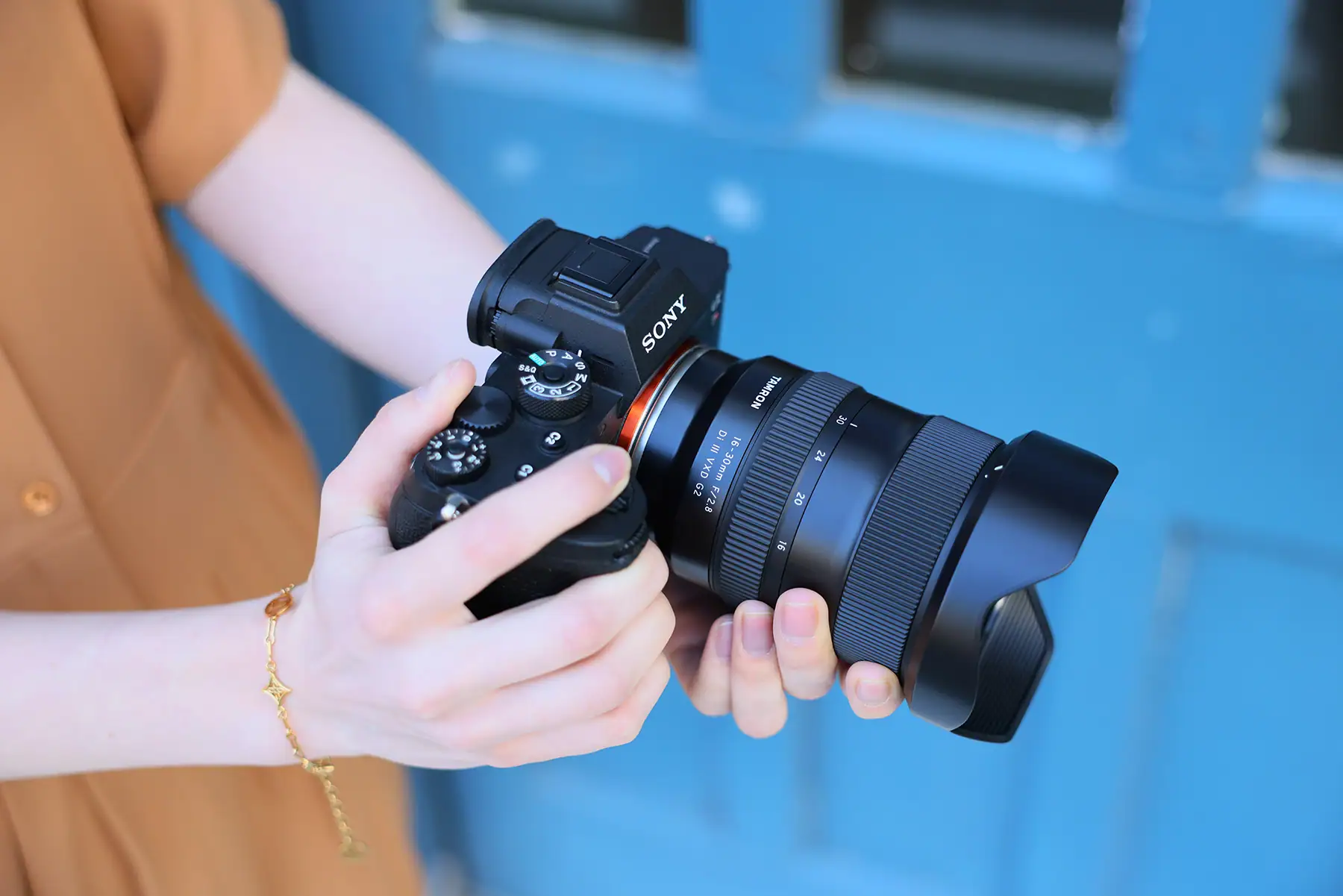
The 16-30mm F2.8 G2 is Tamron’s most capable ultra-wide zoom for full-frame cameras, available in Sony E and Nikon Z mounts. The G2 designation marks it as a second-generation design — the zoom range has been extended, AF performance improved, and the ergonomics refined over the original. Learn more about the 16-30mm.
At F2.8 across the full zoom range, it handles evening and low-light landscape photography without compromise. LD and XLD low-dispersion elements keep chromatic aberration well controlled even wide open, and the lens maintains edge-to-edge sharpness that matters when you’re printing large or cropping for detail. Barrel distortion is minimal for a lens operating at these focal lengths — straight architectural lines stay straight.
For landscape photographers, astrophotographers, and anyone regularly working in challenging light, this is a serious tool.
Tamron 17-50mm F/2.8 Di III VXD
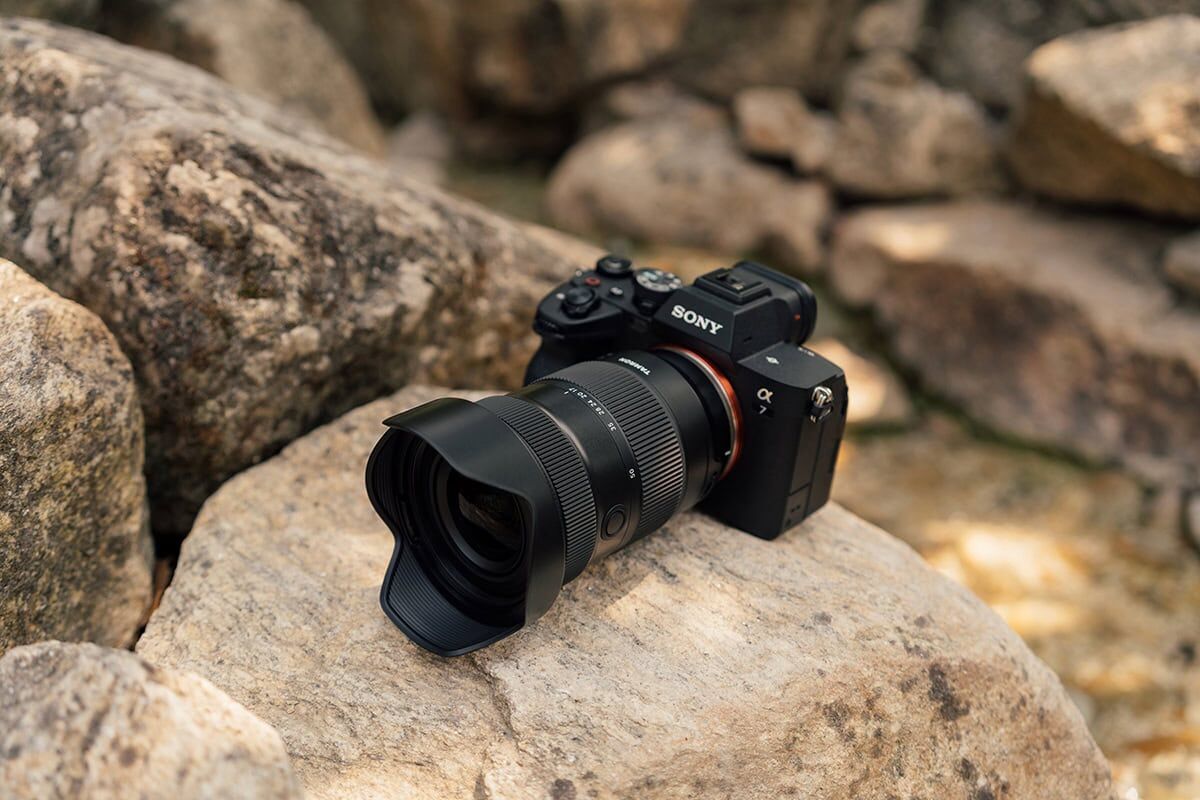
The 17-50mm F/4 takes a different approach: instead of prioritising a fast aperture, it prioritises range. Covering ultra-wide through to standard focal lengths in a single compact body for Sony E full-frame cameras, it’s the kind of lens you reach for when versatility matters as much as outright light-gathering.
Near the 50mm end, it approximates normal human field of view. Useful for travel photography or documentary work where you want to switch between wide establishing shots and more natural-perspective frames without changing lenses. The internal zoom design keeps the balance consistent on a gimbal, and the VXD autofocus motor is both fast and quiet for video. Close-focusing performance is strong throughout the range.
If you regularly find yourself swapping between a wide zoom and a standard zoom, this lens makes a compelling case for carrying one instead.
Tamron 11-20mm F/2.8 Di III RXD
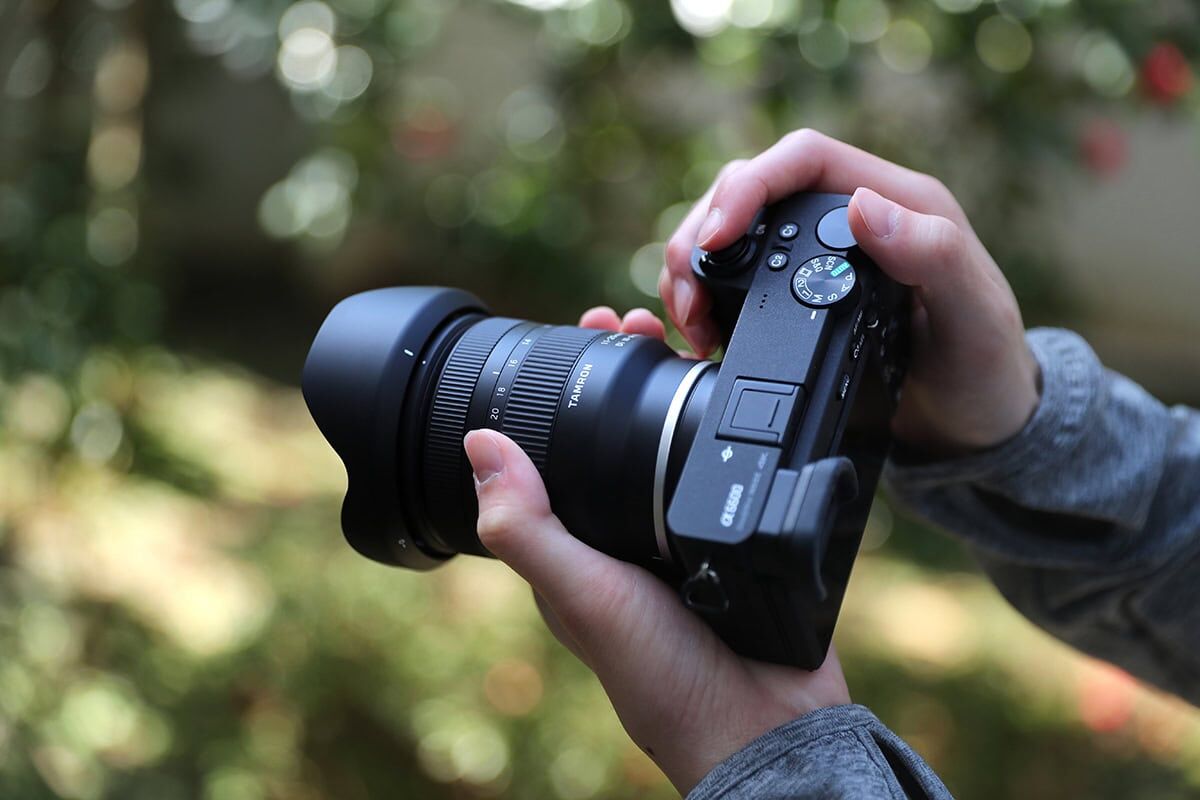
The 11-20mm F2.8 is the standout wide angle option for APS-C mirrorless shooters. Its focal range is equivalent to roughly 16–30mm on a full-frame camera – solidly ultra-wide throughout – and the constant F2.8 aperture gives it genuine versatility in low-light situations that many kit lenses simply can’t match.
Compatible with Sony E, Canon RF, and Fujifilm X APS-C mounts, it’s compact and lightweight without feeling compromised. The RXD autofocus motor is fast and near-silent, which makes it equally at home for video work or stills. Moisture-resistant construction and a fluorine-coated front element round out a lens built for use in the real world, not just a studio.
The close minimum focus distance at the wide end also makes it capable of wide macro-style compositions – a genuinely useful trick for environmental detail shots.
Final Thoughts on Using Wide-Angle Zoom Lenses
A wide angle zoom lens rewards photographers who take the time to understand it. The techniques – foreground anchoring, deliberate use of perspective, working close – doesn’t come automatically, but once it does, the creative range opens up considerably. These focal lengths can capture scale, intimacy, context, and drama in ways that no other lens type matches.
